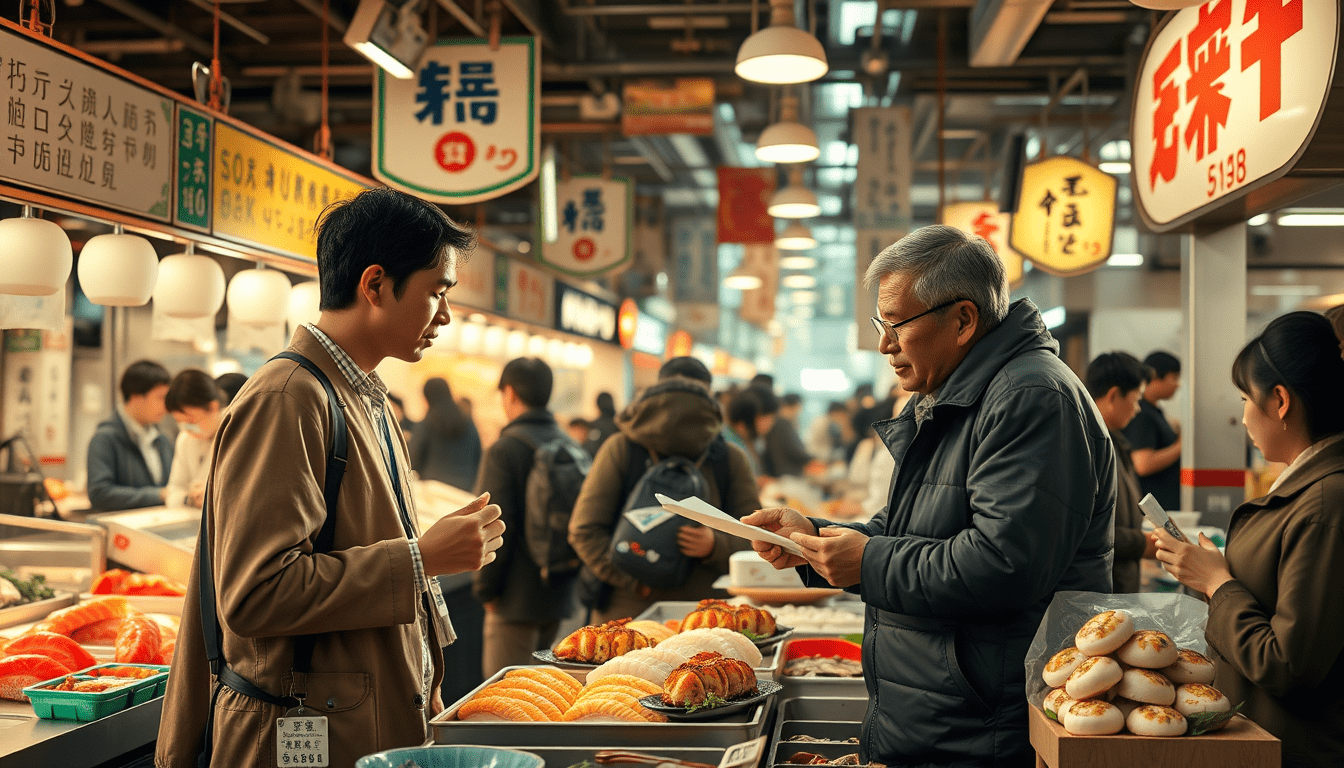


Short Excerpt
- The Tokyo Tsukiji Fish Market Food Tour combines fresh seafood, Japanese street food, market history, and vendor culture inside one of Tokyo’s most famous culinary districts.
- Expect roughly 2.5 to 3 hours, about 1.5 to 2 miles of mostly flat walking, and around 7 to 10 tastings that can add up to a substantial meal.
- Toro, uni, grilled scallops, tamagoyaki, miso soup, onigiri, matcha sweets, and optional sake tastings can all become part of the experience.
Quick Take
- The tour explores the still-thriving Tsukiji Outer Market rather than the wholesale auction operation that moved to Toyosu.
- Plan for roughly 2.5 to 3 hours and about 1.5 to 2 miles of walking on a typical morning tour.
- Around 7 to 10 tastings may include sushi, sashimi, grilled seafood, tamagoyaki, soup, rice snacks, and sweets.
- Routes can include Tsukiji’s market alleys, Namiyoke Inari Shrine, and sometimes nearby Ginza.
- Small groups, vendor interaction, seafood demonstrations, and explanations of Japanese food customs make the tour more useful than simply wandering the market alone.
Taste Tokyo’s Seafood Culture Where Tsukiji Still Comes Alive Every Morning
The Tokyo Tsukiji Fish Market Food Tour is a strong fit when you want to understand why Tsukiji remains one of Tokyo’s most important food destinations even after the wholesale auction moved to Toyosu.
The Outer Market is still active, crowded, and deeply connected to Japanese seafood culture, with family-run vendors, sushi counters, grilled-seafood stalls, specialty shops, knife stores, tea sellers, and small restaurants packed into narrow market streets.
A typical morning tour lasts about 2.5 to 3 hours and covers roughly 1.5 to 2 miles of mostly flat walking.
Expect around 7 to 10 tastings, with some portions substantial enough that the experience can replace breakfast or lunch.
Seafood naturally takes center stage.
Possible tastings include toro, fresh sashimi, uni over rice, grilled scallops with soy butter, miso soup, onigiri, and other seasonal seafood chosen according to what vendors are serving that day.

Tamagoyaki provides one of the market’s most recognizable non-seafood stops, while matcha sweets, tea, or optional sake tastings can break up the richer savory courses.
The guide adds the cultural layer that makes the experience more than a collection of snacks.
You may learn how to recognize high-quality seafood, how vendors prepare and display fish, why seasonality matters so much in Japanese cooking, and how sushi etiquette differs from habits many visitors bring from home.
Some routes also include Namiyoke Inari Shrine, which connects the market to its spiritual and historical roots, while others continue toward nearby Ginza.
The walking commitment is moderate, but the market itself can be busy.
Expect narrow aisles, concrete surfaces, lines around popular stalls, and plenty of standing between tastings.

Comfortable shoes, weather-appropriate clothing, cash for extra purchases, and an appetite are more useful than carrying a large day bag.
This tour is best suited to seafood lovers, first-time Tokyo visitors, curious eaters, couples, and travelers who want food history and vendor interaction alongside the tastings.
Anyone who dislikes seafood can still find cooked dishes and non-seafood options, but the experience is most rewarding when you are interested in the ingredients that made Tsukiji famous.
What is a Food Tour?
A food tour is a guided tasting experience that explores a destination through its cuisine, history, and local culture.
Think of it as walking through a living museum where you get to eat everything on display.
In Japan, and particularly at Tsukiji, a food tour includes:
- Walking tours through historic market alleys and backstreets.
- Multiple food stops, including sushi stalls, grilled seafood kiosks, and tamagoyaki (Japanese omelet) counters.
- Cultural context, such as how seafood auctions shaped the market’s evolution.
- Interaction with vendors and explanations of seasonal ingredients, preparation methods, and culinary customs.
Types of food tours available at or near Tsukiji:
- Walking market tours that focus on fresh seafood and street snacks.
- Sushi-making workshops with a visit to the market beforehand.
- Chef-led experiences offering in-depth guidance on seafood selection and Japanese knife skills.
- Morning food tours that include breakfast sushi and tea tastings.
- Progressive dining tours that visit multiple neighborhoods like Ginza and Nihonbashi.
What Makes This Food Tour Special?
This isn’t just a food tour—it’s a sensory experience through Japan’s seafood culture, led by guides who know every stall, every taste, and every secret.
🍣 Dishes and specialties you’ll try:
- Toro (fatty tuna) sashimi freshly sliced before your eyes.
- Grilled scallops with soy butter.
- Tamagoyaki (sweet-savory Japanese omelet).
- Uni (sea urchin) served over warm sushi rice.
- Sake tastings from regional brewers.
- Miso soup, onigiri (rice balls), and matcha-flavored sweets.
🏘️ Districts and areas explored:
- Tsukiji Outer Market, filled with legacy vendors and food stalls.
- Namiyoke Shrine, a hidden gem that reflects the market’s spiritual roots.
- Sometimes extends into Ginza, Tokyo’s upscale food and fashion district.
⭐ Unique highlights:
- Watch fishmongers fillet tuna with sword-sized knives.
- Learn how to identify quality seafood using sight and smell.
- Taste ingredients typically used in Japanese home cooking.
- Get insider tips on where locals eat sushi off the tourist trail.
👉 View Tokyo Tsukiji food tours on Tripadvisor
How Much Do Food Tours Cost?
Prices for Tsukiji food tours are generally affordable and offer exceptional value considering the quality and uniqueness of the experience.
💲 Average price range:
- $45–$90 USD for standard walking food tours.
- $100–$160 USD for chef-led or premium sushi experiences.
- $50–$75 USD for early-morning seafood and street food-focused tours.
✅ What’s included:
- Guided tour with a local expert.
- 7 to 10 food tastings—some are full-sized portions.
- Non-alcoholic drinks or optional sake samplings.
- Market entry, cultural commentary, and recommendations.
✨ Optional upgrades:
- Add-on sushi-making workshops.
- Private tours for families or foodies.
- Premium tastings such as A5 Wagyu, bluefin tuna, or seasonal delicacies.
How Long is the Tour?
⏳ Duration depends on the style of the tour, but here are general ranges:
🕒 Morning walking food tours: 2.5 to 3 hours
🕒 Market + cooking class combos: 4 to 5 hours
🕒 Private or premium experiences: Up to 6 hours
🚶♂️ Walking distance is usually around 1.5 to 2 miles, mostly flat and easy.
📣 Notify the guide in advance if you have any food allergies, dietary needs (vegetarian or kosher), or mobility issues—many tour operators are flexible and happy to accommodate.
Do You Need to Book in Advance?
Absolutely—Tsukiji is one of Tokyo’s most popular food destinations, and tours often sell out days (or even weeks) in advance.
✅ Why reserve early:
- Most tours limit group sizes to 6–10 people for a better experience.
- Morning slots go quickly due to the early market hours.
- Cooking classes and premium sushi tastings require prep and reservations.
🔁 Cancellation policies: Most tours allow free cancellation or date changes up to 24–48 hours in advance.
Check each provider’s terms.
What Should You Bring?
🎒 Be ready to explore and eat like a local.
Essentials include:
- 🥿 Comfortable shoes – you’ll be walking a lot on concrete and through busy alleys.
- 🌦️ Weather-appropriate clothing – bring a hat, raincoat, or umbrella.
- 📸 Camera or smartphone for food photos and street scenes.
- 🍽️ An appetite – skip breakfast unless you want to miss out.
How to Choose the Best Food Tour
Tokyo is packed with options, but these tips will help you find the right Tsukiji food tour for your travel style:
✅ Choose a tour with local Japanese guides or bilingual hosts with strong culinary knowledge.
✅ Look for small group sizes for better vendor interaction.
✅ Read reviews to make sure the food quality is top-notch.
✅ Check whether the tour includes cultural stops or off-the-beaten-path experiences.
✅ Ask about dietary flexibility if needed.
Local Tips & Hidden Gems
The best bites often come from places you’d never spot on your own. Your guide will introduce you to:
- Vendor stalls that supply Michelin-starred restaurants.
- Underground sake shops with rare regional labels.
- Secret back alleys known for the best tamagoyaki and seaweed snacks.
- Namiyoke Inari Shrine, a quiet spiritual haven amid the bustle.
- Pro tips on how to order sushi like a local, including proper etiquette and soy sauce usage.
What to Expect on a Food Tour
Expect a lively, delicious, and educational journey through the market.
A typical tour includes:
- A warm welcome and intro to Tsukiji’s culinary heritage.
- Tasting stops with commentary on each dish.
- Demonstrations by local vendors, from fish cutting to wasabi prep.
- Free time to explore or shop for spices, snacks, or kitchen gear.
- Wrap-up with tips on where to eat next in Tokyo.
How to Prepare for a Food Tour
- Eat light or skip breakfast to save room.
- Dress in layers—markets can be chilly in the morning.
- Bring a tote bag or reusable pouch in case you want to buy snacks.
- Be on time—many tours start early to catch the best stalls.
- Bring cash—some stalls don’t accept credit cards.
- Be open to trying new textures and flavors—it’s part of the fun!
FAQ – Is the Tokyo Tsukiji Fish Market Food Tour the Best Way to Taste the Market Beyond the Tourist Stalls?
Is Tsukiji Fish Market Still Worth Visiting After the Wholesale Market Moved?
Yes.
The wholesale auction operation moved to Toyosu, but the Tsukiji Outer Market remains one of Tokyo’s busiest food districts.
Seafood vendors, sushi counters, specialty shops, street-food stalls, and long-running family businesses continue operating throughout the neighborhood.
That makes Tsukiji particularly useful for travelers who care more about eating, shopping, and interacting with vendors than watching wholesale auctions.How Long Does the Tokyo Tsukiji Fish Market Food Tour Last?
Most standard morning walking tours last about 2.5 to 3 hours.
That gives enough time for several tastings, market exploration, vendor demonstrations, and cultural stops without rushing through the area.
Market and cooking-class combinations can extend to roughly 4 to 5 hours.
Private or premium experiences may last even longer depending on what is included.How Much Walking Is Involved?
Expect roughly 1.5 to 2 miles of mostly flat walking.
The route is broken up by food tastings, vendor visits, demonstrations, and cultural stops, so you are not walking continuously.
The greater challenge can be the market itself because narrow alleys and popular stalls can become crowded.
Comfortable walking shoes are still important even though the total distance is relatively modest.What Foods Can You Expect to Try at Tsukiji?
Possible tastings include toro, sashimi, uni, grilled scallops, tamagoyaki, miso soup, onigiri, and matcha-flavored sweets.
Some tours also include regional sake or other drinks.
Exact dishes change with the season, vendor availability, and the specific route.
That flexibility is part of the appeal because Tsukiji is an active market rather than a fixed restaurant tasting menu.How Many Tastings Are Usually Included?
Many tours include around 7 to 10 food tastings.
Some are small samples, while others can be closer to full portions.
Together, they can add up to a substantial breakfast or lunch for many travelers.
Arriving hungry is usually a better strategy than eating a full meal immediately beforehand.Do You Have to Eat Raw Fish to Enjoy the Tour?
No.
Although sushi and sashimi are major attractions, Tsukiji also offers grilled seafood, tamagoyaki, soups, rice snacks, sweets, and other cooked foods.
Travelers who avoid raw fish should mention that preference before the tour.
The experience will still be seafood-focused, but you do not need to eat sashimi at every stop to enjoy the market.What Makes Tsukiji Different from Toyosu Market?
Toyosu is now home to Tokyo’s major wholesale seafood operations and tuna auctions.
Tsukiji’s strength is its dense concentration of vendors, small restaurants, street-food stalls, specialty shops, and historic market atmosphere.
For a food tour, Tsukiji often provides more direct interaction with vendors and more opportunities to sample food while walking.
The two markets therefore offer different experiences rather than one simply replacing the other.Does the Tour Include More Than Seafood?
Yes.
Tamagoyaki, miso soup, rice dishes, matcha sweets, tea, seasonings, and other traditional foods can appear alongside seafood tastings.
Some tours also introduce ingredients used in everyday Japanese home cooking.
That variety helps prevent the experience from becoming one long sequence of raw fish.
Still, seafood remains the central theme because of Tsukiji’s history and identity.Will You Visit Namiyoke Inari Shrine?
Some tours include Namiyoke Inari Shrine as a cultural stop.
The shrine has a strong connection to the market area and adds historical context to the food experience.
It also gives the group a quieter moment away from the busiest market alleys.
Routes vary, so verify the itinerary if visiting the shrine is particularly important to you.Can You Learn About Sushi and Seafood Quality on the Tour?
Yes.
Guides may explain how professionals assess freshness, seasonality, texture, color, and preparation.
Some tours also include demonstrations showing how fish is cut or how wasabi and other ingredients are prepared.
That educational element is one of the main advantages of joining a guided experience.
Without context, many visitors see an enormous variety of seafood but have little idea why one cut or species is more prized than another.Are Sake Tastings Included?
Sometimes.
Certain tours include sake from regional producers, while others offer alcohol as an optional addition.
Not every Tsukiji food tour includes alcoholic drinks.
Check the specific inclusions before booking if sake is an important part of the experience for you.Can Vegetarian Travelers Join the Tour?
Some vegetarian substitutions may be possible, but Tsukiji is fundamentally a seafood-focused destination.
Tamagoyaki, rice dishes, sweets, tea, and selected market snacks can provide non-seafood options.
Strict vegetarians or vegans should contact the operator before booking because fish stock, seafood-based sauces, and shared preparation areas are common.
Confirming the actual replacement tastings is more useful than assuming the entire route can be adapted.Can Food Allergies Be Accommodated?
Some dietary needs can be managed with advance notice.
Seafood, shellfish, soy, wheat, egg, sesame, and other common allergens appear frequently throughout the market.
Shared kitchens and compact vendor stalls can also make cross-contact harder to control.
Anyone with a serious allergy should discuss the specific risk with the operator before booking.What Is the Best Time of Day for a Tsukiji Food Tour?
Morning is generally the strongest time.
Many tours begin around 9:00 AM because the market is active, vendors are fully stocked, and the atmosphere still reflects Tsukiji’s traditional morning rhythm.
Earlier breakfast-focused tours may start before that.
Going too late can mean larger crowds and fewer opportunities at vendors that sell out early.Should You Book a Tsukiji Food Tour in Advance?
Yes.
Tsukiji is one of Tokyo’s most popular food destinations, and small-group tours often limit participation to roughly 6 to 10 people.
Morning departures, cooking-class combinations, and premium seafood experiences can fill particularly quickly.
Booking ahead also gives you time to discuss allergies, dietary restrictions, or mobility concerns.Can You Buy Food or Souvenirs During the Tour?
Usually, yes.
Many tours leave some time for browsing or shopping between structured tastings.
Popular purchases include dried seafood, seaweed, sauces, seasonings, tea, chopsticks, knives, snacks, and other kitchen-related products.
Carry some cash because smaller vendors may not accept every type of card.What Should You Bring on the Tour?
Wear comfortable shoes and dress for the weather because much of the experience takes place outdoors or in open market lanes.
Bring a small amount of cash for purchases beyond the included tastings.
A tote or reusable bag can be useful if you plan to buy snacks, seasonings, or kitchen items.
Most importantly, arrive hungry because the combined tastings can be more substantial than they initially appear.Who Is the Tokyo Tsukiji Fish Market Food Tour Best Suited For?
The tour is particularly strong for seafood lovers, first-time Tokyo visitors, couples, culinary travelers, and anyone curious about Japanese market culture.
It also suits travelers who want to learn how ingredients, vendors, seasonality, and food customs fit together rather than simply eating sushi in a restaurant.
Photographers and market lovers will find plenty happening between tastings.
Someone with little interest in seafood or who strongly dislikes crowded markets may prefer a broader Tokyo neighborhood food tour.