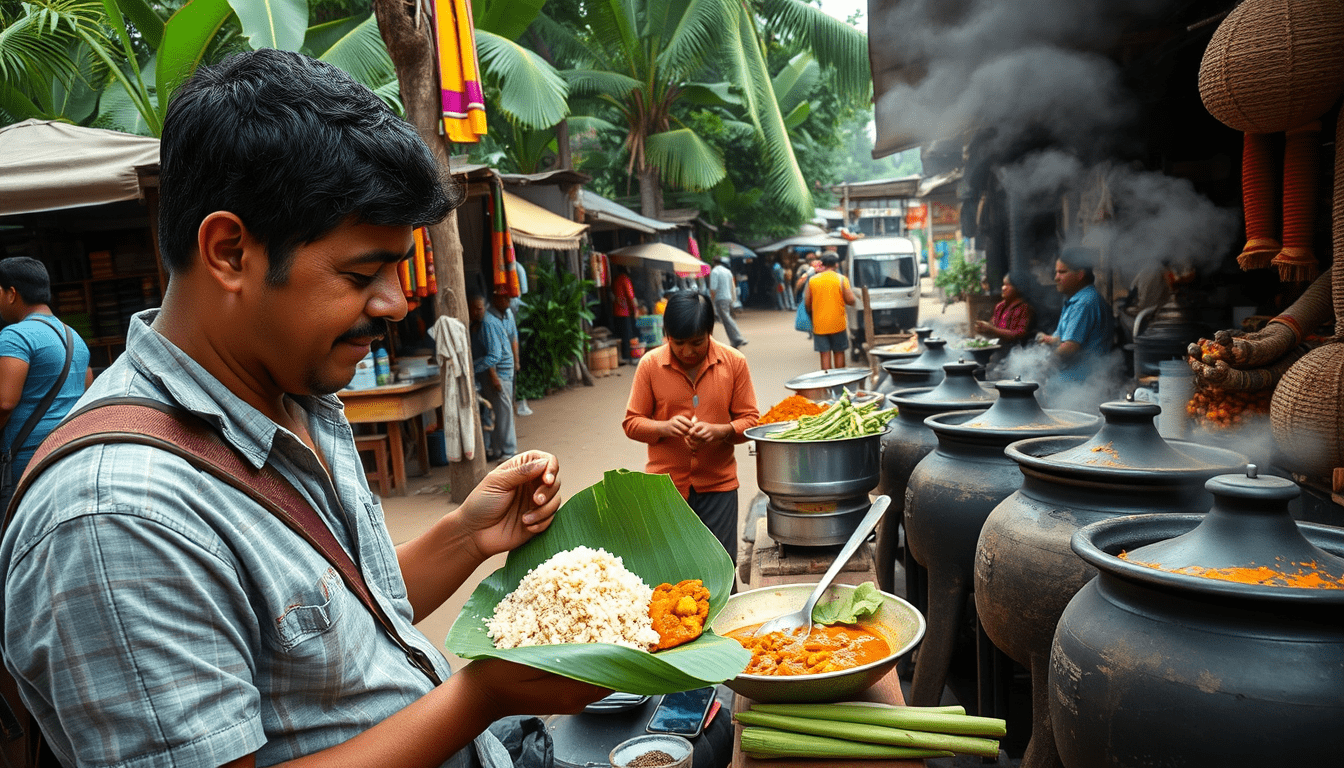


Short Excerpt
- The Sri Lanka Real Food Adventure explores the island through street food, home cooking, spice gardens, seafood, markets, tea country, and regional dishes.
- Depending on the format, tours can last from about 2.5 hours to a full day, with roughly 1 to 3 miles of walking on many itineraries.
- Kottu roti, hoppers, pol sambol, lamprais, curries, tropical sweets, seafood, and Ceylon tea can all become part of the experience.
Quick Take
- Sri Lankan food tours can combine Colombo markets, coastal seafood, Kandy cuisine, tea country, spice gardens, and village cooking.
- Walking tours commonly last about 2.5 to 4 hours, while full-day regional experiences can run 6 to 9 hours.
- Expect roughly 6 to 10 tastings on many tours, often enough to replace a meal.
- Small groups, local hosts, home cooking, and hands-on preparation can make the experience much more personal than a restaurant crawl.
- Vegetarians have strong options, but allergies, seafood restrictions, and mobility concerns should be discussed before booking.
Taste Sri Lanka Through Markets, Home Kitchens, Tea Country, and Coastal Flavors
The Sri Lanka Real Food Adventure works best for travelers who want to experience the country through more than a single city or restaurant.
Depending on the tour you choose, the experience can move between Colombo markets, coastal seafood areas, Kandy, tea-growing regions, spice gardens, village kitchens, and historic neighborhoods where food reflects generations of trade, migration, religion, and family tradition.
Walking tours generally last about 2.5 to 4 hours and may cover roughly 1 to 3 miles, while full-day regional culinary experiences can stretch from 6 to 9 hours and include transportation between locations.
Home-cooking experiences often fall somewhere in between, giving you several hours to prepare, eat, and learn alongside a local host.
The food is just as varied as the routes.
You may encounter kottu roti chopped on a hot griddle, bowl-shaped hoppers made from fermented rice batter, fiery pol sambol, banana-leaf-wrapped lamprais, rich seafood curries, short eats, buffalo curd with kitul treacle, and cups of Ceylon tea.

Many tours include around 6 to 10 tastings, so the combined portions can easily replace a regular meal.
Hands-on elements can make the experience especially memorable.
You might learn how to scrape fresh coconut, help prepare rice and curry over a clay stove, visit a spice garden to understand how cinnamon and cardamom are grown, or spend time with a family that explains how everyday Sri Lankan cooking differs from restaurant food.
The physical commitment varies more than on a simple city walking tour.
Urban routes may involve markets, stairs, heat, and crowded streets, while village or coastal experiences can add uneven terrain and longer transfers.
Comfortable shoes, lightweight clothing, sun protection, mosquito repellent, and water are practical choices.

This experience is particularly well suited to adventurous eaters, first-time Sri Lanka visitors, couples, small groups, and travelers who value cultural context as much as the food itself.
Anyone looking for a tightly structured fine-dining tasting or minimal movement may prefer a different culinary experience.
What is a Food Tour?
A food tour is a guided experience that lets you explore a destination through its cuisine, stories, and local customs.
It’s part tasting session, part cultural immersion, and part hands-on learning.
In Sri Lanka, food tours typically include:
- Walking or vehicle-based exploration through cities, villages, or markets.
- Multiple food stops, including traditional kitchens, tea stalls, and street vendors.
- Storytelling by local guides who explain the origins and meaning behind each dish.
- Opportunities to cook or observe the preparation of Sri Lankan classics.
- Interaction with chefs, market vendors, and families who bring the island’s food culture to life.
Types of food tours in Sri Lanka:
- Walking street food tours in Colombo or Kandy.
- Full-day regional culinary tours with transport between locations.
- Tea plantation & spice garden visits with tasting menus.
- Cooking classes in private homes or guesthouses.
- Progressive dinners across multiple neighborhoods.
What Makes This Food Tour Special?
The Sri Lanka Real Food Adventure goes far beyond surface-level sightseeing—it gives you intimate access to real Sri Lankan kitchens, street stalls, and dining tables, revealing how food is woven into everyday life.
🍛 Dishes and specialties you may try:
- Kottu Roti – chopped flatbread stir-fried with egg, vegetables, and spices.
- Hoppers (appa) – bowl-shaped pancakes made from fermented rice flour.
- Pol Sambol – fiery coconut relish with lime and chili.
- Jaffna Crab Curry – rich, spicy, and aromatic seafood delight.
- Lamprais – Dutch-influenced rice and curry wrapped in banana leaf.
- Sweet buffalo curd with kitul treacle.
📍 Neighborhoods and areas explored:
- Colombo’s Pettah Market, for exotic produce and vibrant street stalls.
- Galle Fort, where colonial architecture meets seaside food shacks.
- Kandy, for central highland cooking and traditional sweets.
- Negombo Fish Market, for a look at the island’s seafood heritage.
- Rural villages, where you’ll learn to cook with clay stoves and fresh coconut.
⭐ Unique highlights:
- Visit a local home and help prepare a traditional rice and curry lunch.
- Learn how to crack and scrape a coconut Sri Lankan-style.
- Tour a tea plantation and sip the island’s world-famous Ceylon tea.
- Explore spice gardens and learn how cinnamon, cardamom, and pepper are grown and used in local cooking.
- Enjoy beachside seafood dinners and sweets from roadside stalls.
👉 Explore Sri Lanka food tours on Tripadvisor
How Much Do Food Tours Cost?
Food tours in Sri Lanka are budget-friendly and full of value, especially considering the variety and depth of the experience.
💲 Average price range:
- $25–$60 USD for half-day walking or market tours.
- $75–$150 USD for full-day tours with transport and multiple meals.
- $30–$70 USD for cooking classes with a local host.
✅ What’s included:
- All food tastings (typically 6–10).
- Local guide or culinary host.
- Tea, juice, or local drink tastings.
- Transportation (for longer tours).
- Entry to spice gardens or markets if applicable.
✨ Optional upgrades:
- Add-on cooking classes or tea factory tours.
- Private group or personalized itineraries.
- Premium seafood tastings or alcoholic beverage pairings.
How Long is the Tour?
🕒 Tour durations vary depending on the type:
- Walking tours: 2.5 to 4 hours.
- Full-day regional culinary tours: 6 to 9 hours.
- Home cooking experiences: 3 to 5 hours, including prep and dining.
🚶♂️ Walking distances are moderate—1 to 3 miles through markets or local neighborhoods.
Expect some rural terrain or stairs in village or coastal areas.
📣 Always inform the tour provider in advance about dietary preferences, allergies, or mobility issues.
Do You Need to Book in Advance?
Yes—many Sri Lankan food tours operate with small groups and fill up quickly, especially during tourist seasons (December–April, and July–August).
✅ Why book early:
- Personalized tours are often capped at 6 to 10 guests.
- Cooking classes require preparation time and ingredient sourcing.
- Some local hosts only offer select days or times per week.
🔁 Cancellation policies: Most tours allow free cancellation or rescheduling 24–72 hours prior, depending on the operator.
What Should You Bring?
🧳 Pack light but smart for a day of culinary exploration:
- 🥿 Comfortable walking shoes or sandals.
- 🌦️ Sun hat, light jacket, or umbrella, depending on the weather.
- 🧴 Sunscreen and mosquito repellent for outdoor stops.
- 📱 Phone or camera to capture food photos and market scenes.
- 🍽️ A healthy appetite—you’ll be eating often and well.
How to Choose the Best Food Tour
When selecting a food tour in Sri Lanka, here are some factors to keep in mind:
✅ Look for local-led or family-run tours for the most authentic experiences.
✅ Read reviews focused on variety of food, depth of storytelling, and group size.
✅ Ask about vegetarian or allergy-friendly options.
✅ Choose a tour that offers interactive elements like cooking or ingredient picking.
✅ Consider tours that explore both cities and villages for a balanced perspective.
Local Tips & Hidden Gems
Your guide will introduce you to flavors and places most travelers miss:
- Discover hidden curry shops in alleyways only locals know.
- Visit family-run spice stalls with hand-ground blends.
- Try short eats (snacks like vadai or stuffed buns) from roadside stalls.
- Learn how Sri Lankans eat with their hands, and why it’s part of the experience.
- Get tips on where to eat after the tour, from luxury restaurants to humble hole-in-the-walls.
What to Expect on a Food Tour
Expect to be welcomed like family and introduced to a wide range of regional dishes and cooking styles.
- Start the day with tea or a light snack.
- Walk or ride between stops with a local guide.
- Sample street food, home-cooked meals, and unique sweets.
- Learn cooking techniques, cultural customs, and how spices are used.
- End with dessert and recommendations for your next food adventure.
How to Prepare for a Food Tour
- Don’t eat a big meal beforehand—you’ll have plenty of food on tour.
- Dress in lightweight, breathable clothes (it can get warm!).
- Bring small cash in case you want to shop for spices or souvenirs.
- Stay hydrated—many tours offer bottled water or fresh coconut juice.
- Keep an open mind and be ready to try new flavors and textures.
FAQ – Is the Sri Lanka Real Food Adventure the Best Way to Taste the Island Beyond the Tourist Menu?
How Long Does a Sri Lanka Food Tour Usually Last?
Tour length depends heavily on the format.
Walking and market tours commonly last about 2.5 to 4 hours, while home-cooking experiences can run approximately 3 to 5 hours.
Full-day regional culinary tours may last 6 to 9 hours because they include transportation, multiple areas, and more extensive meals.
Choose the duration based on whether you want a concentrated introduction or a broader regional experience.How Much Walking Is Involved?
Many Sri Lanka food tours involve roughly 1 to 3 miles of walking.
Urban routes may move through markets, historic neighborhoods, side streets, and food stalls, while village or coastal tours can include uneven ground or stairs.
The pace is usually broken up by tastings and storytelling.
Travelers with mobility concerns should ask about the exact route before booking because the physical demands can vary considerably.What Foods Can You Expect to Try?
Common tastings can include kottu roti, hoppers, pol sambol, lamprais, rice and curry, seafood curries, short eats, traditional sweets, and buffalo curd with kitul treacle.
Different regions add their own specialties.
Colombo may emphasize market and street food, coastal areas can feature seafood, and central regions may introduce highland dishes and tea.
The exact menu changes according to season, location, host, and tour format.Will the Tastings Be Enough for a Full Meal?
In many cases, yes.
Tours often include around 6 to 10 tastings spread across several stops.
Home-cooking experiences can be even more substantial because you may prepare and eat a complete rice-and-curry meal.
Arriving hungry is usually a better idea than eating a large meal immediately beforehand.Which Parts of Sri Lanka Can a Food Tour Explore?
Routes can include Colombo, Negombo, Kandy, Galle, the Southern Coast, rural villages, tea-growing regions, and spice gardens.
Colombo’s Pettah Market offers a dense mix of produce and street food, while Negombo connects the experience to fishing and seafood.
Kandy adds highland traditions, and Galle combines coastal flavors with a historic setting.
Longer tours can connect several of these areas rather than staying in one neighborhood.What Makes Sri Lankan Food Different from Other South Asian Cuisines?
Sri Lankan cooking has its own identity shaped by coconut, rice, seafood, tropical produce, spices, fermentation, and regional traditions.
Cinnamon, cardamom, pepper, curry leaves, coconut milk, and chile appear frequently, but dishes are not simply variations of Indian food.
Dutch, Portuguese, Malay, Muslim, Tamil, Sinhalese, and other influences have also shaped the cuisine.
A guided tour can make those connections much easier to understand because you taste the foods alongside their history.Is Sri Lankan Food Very Spicy?
It can be, but the level of heat varies considerably.
Pol sambol, curries, and some street foods can be quite spicy, while hoppers, rice dishes, sweets, tea, and certain coconut-based preparations may be much milder.
Guides can often explain which dishes carry the most heat.
Tell your host early if you prefer milder food rather than waiting until the meal is already served.Are Vegetarian Options Easy to Find?
Yes.
Sri Lankan cuisine includes many naturally vegetarian dishes built around lentils, coconut, vegetables, rice, jackfruit, pumpkin, eggplant, and other produce.
That makes vegetarian adaptation easier than on many meat-centered food tours.
Still, confirm your needs in advance because some curries, sambols, or sauces may contain fish or other animal ingredients.
Strict vegans should ask about dairy, egg, and preparation methods as well.Can You Join if You Do Not Eat Seafood?
Usually, yes.
Seafood is important in coastal areas, but Sri Lankan cuisine offers enough curries, vegetable dishes, breads, rice, and snacks to create a varied experience without it.
Advance notice gives the guide time to arrange suitable substitutions.
This matters most on itineraries centered on Negombo, Galle, or other seafood-heavy destinations.Can Food Allergies Be Accommodated?
Some allergies can be accommodated, particularly when the operator has enough advance notice.
Coconut, seafood, nuts, dairy, wheat, and spices may appear in multiple dishes or preparation areas, so severe allergies require more detailed planning.
Ask specifically about cross-contact when the allergy is medically significant.
A responsible operator should be able to explain what can and cannot be safely adjusted before you book.Does the Tour Include Cooking with Local Hosts?
Some Sri Lanka culinary experiences include hands-on cooking.
You may help prepare rice and curry, scrape fresh coconut, grind spices, cook over a clay stove, or learn how sambols and other dishes are assembled.
Home-based experiences can be particularly valuable because they show how food is prepared outside restaurants.
If hands-on cooking matters to you, verify that it is included rather than assuming every food tour offers it.Can You Visit Tea Plantations or Spice Gardens on the Tour?
Yes, particularly on longer regional or full-day experiences.
Tea-country itineraries may include plantation or factory visits with Ceylon tea tastings.
Spice-garden stops can introduce cinnamon, cardamom, pepper, and other ingredients central to Sri Lankan cooking.
These visits add agricultural context that you would miss on a city-only food tour.Is Street Food Safe to Eat on a Guided Tour?
Reputable guides generally choose vendors they know and trust.
That reduces some risk because they are familiar with food turnover, preparation practices, and popular stalls.
No street-food experience can eliminate every possibility of stomach trouble.
Travelers with particularly sensitive digestion should still use judgment, stay hydrated, and tell the guide if something makes them uncomfortable.Is the Sri Lanka Real Food Adventure Family-Friendly?
It can be, especially for children who enjoy trying new foods and interacting with local hosts.
Shorter walking tours may work better for younger children than full-day regional itineraries.
Heat, spice levels, walking distance, and unfamiliar textures are the main considerations.
Families should choose the tour length and format based on the child’s appetite and attention span rather than age alone.Who Is the Sri Lanka Real Food Adventure Best Suited For?
This experience is a strong match for travelers who want food, markets, history, local interaction, and hands-on cultural experiences in the same itinerary.
First-time Sri Lanka visitors can use it to understand regional differences quickly, while experienced travelers may appreciate access to homes, markets, and family-run businesses they would not easily discover alone.
Adventurous eaters will get the most from the variety of flavors and textures.
Someone seeking minimal walking, predictable restaurant dining, or a formal tasting menu may prefer another format.