

Short Excerpt
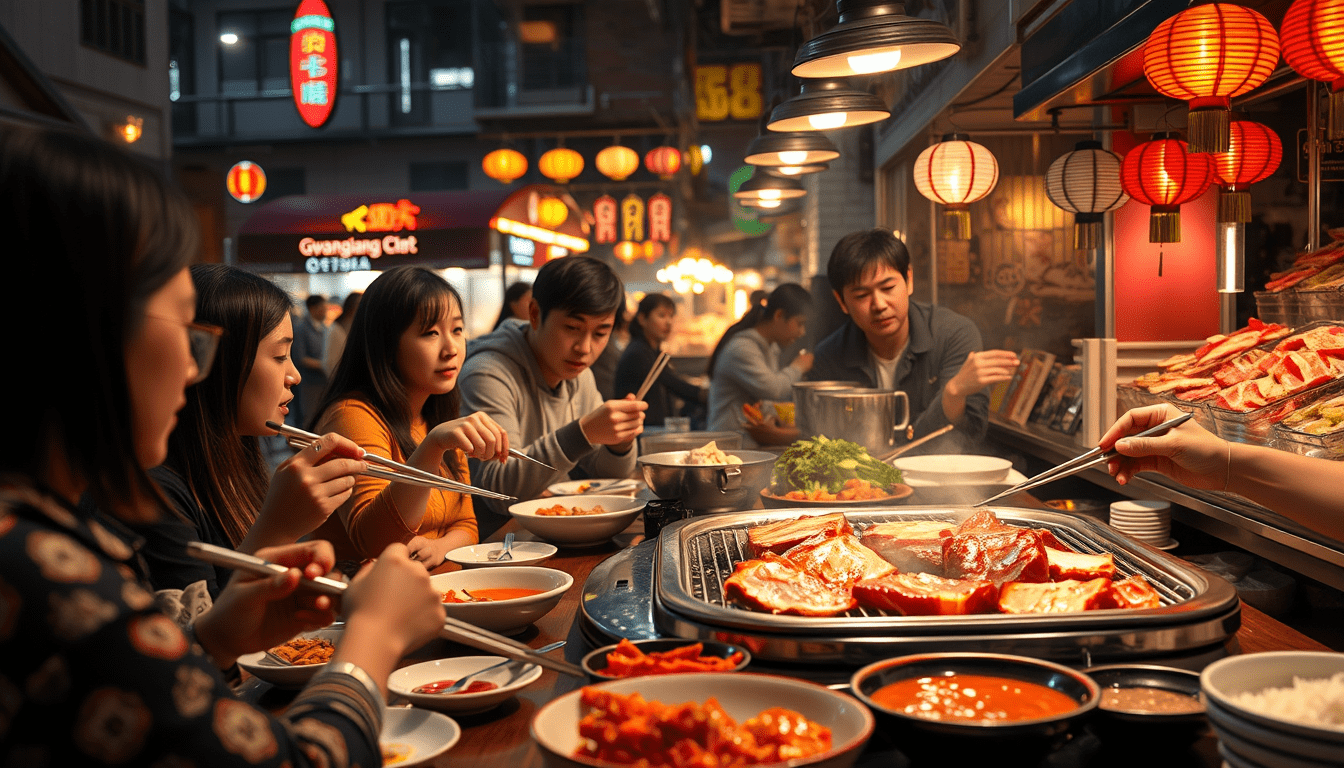
- The South Korea BBQ & Market Culinary Tour combines Korean barbecue, market snacks, traditional drinks, and Seoul neighborhood exploration in one food-focused experience.
- Expect roughly 3.5 to 5 hours, about 1.5 to 2 miles of walking, and 6 to 10 food stops with seated BBQ and market breaks along the way.
- Samgyeopsal, bulgogi, bindaetteok, tteokbokki, hotteok, kimchi, makgeolli, and soju can all help reveal how communal dining and street-food culture shape everyday life in Seoul.
Quick Take
- The experience blends Korean BBQ with traditional market food rather than focusing on one restaurant style.
- Plan for about 3.5 to 5 hours and roughly 1.5 to 2 miles of walking.
- Tastings can span 6 to 10 stops and usually include enough food to replace a full meal.
- Routes may include Gwangjang Market, Myeongdong, Insadong, Hongdae, or Itaewon depending on the operator.
- Small groups, local guidance, grill-it-yourself dining, and cultural storytelling make this stronger than a simple restaurant crawl.
Taste Seoul Through Sizzling BBQ, Market Stalls, and Shared Tables
The South Korea BBQ & Market Culinary Tour works especially well for travelers who want to understand Seoul through the way people actually eat.
Over roughly 3.5 to 5 hours, you can walk about 1.5 to 2 miles through markets, backstreets, and restaurant districts while stopping for 6 to 10 tastings.
The experience usually balances two sides of Seoul food culture.
One is the communal ritual of Korean BBQ, where meats such as samgyeopsal or bulgogi are grilled at the table and eaten with rice, kimchi, sauces, garlic, lettuce, or perilla leaves.
The other is the energy of traditional markets, where you may taste bindaetteok, tteokbokki, hotteok, mayak gimbap, dumplings, or other snacks prepared in front of you.
That combination makes the tour more varied than booking a single BBQ dinner.

You may sit down for a full grilled-meat course, then move through a market for smaller bites, drinks, desserts, and dishes connected to different parts of Korean culinary history.
Makgeolli, soju, or tea may also be included or offered as an optional pairing.
Where you walk matters as much as what you eat.
Some tours focus heavily on Gwangjang Market, while others incorporate neighborhoods such as Myeongdong, Insadong, Hongdae, or Itaewon to show how traditional and modern food cultures overlap.
A good guide can explain not just the dishes, but also how to wrap grilled meat properly, how side dishes are shared, why fermentation is so important, and how drinking etiquette works around a Korean table.
The physical commitment is moderate.

Frequent seated meals, market stops, and storytelling breaks divide the walking, but comfortable shoes still matter because Seoul markets can be crowded and you may spend several hours on your feet.
This tour is best suited to first-time Seoul visitors, curious eaters, couples, small groups, and travelers who want both cultural context and substantial food.
Vegetarians and travelers with allergies should confirm accommodations in advance because BBQ-heavy menus and shared preparation areas can make some substitutions more difficult.
What is a Food Tour?
A food tour is much more than just eating—it’s a guided exploration of a destination through its cuisine, culture, and people.
Food is a language everyone understands, and a food tour uses that language to tell stories, spark conversations, and build deeper connections with a place.
In Korea, where meals are often shared communally and recipes are passed down through generations, food tours offer an intimate look at both tradition and modern life.
On the South Korea BBQ & Market Culinary Tour, you’ll go beyond tourist restaurants and discover the local eateries, street vendors, and market stalls that Seoulites frequent every day.
You’ll sample famous dishes, explore backstreets, learn the history behind Korea’s fermented flavors, and share meals in the same way locals do—with conversation, laughter, and lots of side dishes.
What’s typically included:
- Walking tours through dynamic neighborhoods and historic markets.
- Multiple food stops, including sit-down BBQ, street snacks, and traditional desserts.
- Cultural storytelling, where each dish is paired with local history and custom.
- Behind-the-scenes access, such as watching vendors prepare dishes or learning grill techniques.
Types of food tours available in South Korea:
- Street food walking tours in markets like Gwangjang and Namdaemun.
- Korean BBQ tastings with grill-it-yourself options.
- Market-to-table cooking classes with chef instructors.
- Neighborhood progressive dinners across Itaewon, Insadong, or Hongdae.
- Night food tours that capture Seoul’s after-dark flavors.
What Makes This Food Tour Special?
What sets this tour apart is its deep dive into two pillars of Korean culinary culture: the shared experience of Korean BBQ and the vibrant atmosphere of Seoul’s traditional food markets.
This isn’t just a tasting tour—it’s a cultural immersion designed to show you what locals eat, where they eat it, and how food is part of everyday life in Korea.
🍖 Signature dishes and snacks you may try:
- Samgyeopsal – grilled pork belly with sesame oil, garlic, and ssamjang.
- Bulgogi – marinated beef grilled tableside and served with kimchi and rice.
- Bindaetteok – crispy mung bean pancakes from Gwangjang Market.
- Tteokbokki – chewy rice cakes in sweet and spicy gochujang sauce.
- Sundubu-jjigae – soft tofu stew served bubbling in a clay pot.
- Hotteok – sweet, chewy pancakes filled with brown sugar and nuts.
- Makgeolli or soju – traditional Korean drinks often paired with BBQ or jeon (pancakes).
📍 Neighborhoods explored:
- Gwangjang Market, one of Korea’s oldest and most famous food halls.
- Myeongdong, for a modern twist on traditional bites and snacks.
- Insadong, known for traditional tea houses and antique street food.
- Hongdae, where youthful energy blends with late-night eateries.
- Itaewon, a multicultural zone full of global-Korean food fusions.
⭐ Unique highlights:
- Grill your own meats at a traditional Korean BBQ joint with local guidance.
- Sample authentic side dishes like kimchi, pickled garlic, and soybean paste.
- Visit hidden market stalls known only to locals.
- Discover the art of wrapping BBQ with lettuce, perilla leaves, and homemade sauces.
- Taste regional specialties you won’t find in standard tourist stops.
👉 Explore Seoul food tours on Tripadvisor
How Much Do Food Tours Cost?
Food tours in South Korea are reasonably priced considering the abundance of tastings and immersive experiences they offer.
💲 Average price range:
- $45–$80 USD for 2–3 hour walking or tasting tours.
- $90–$150 USD for half-day BBQ and market combo experiences.
- $40–$70 USD for market-based tastings and tea pairings.
✅ What’s included:
- Full tastings at 6 to 10 food stops.
- BBQ meals (shared tables or individual platters).
- English-speaking local guide.
- Traditional drink tastings (makgeolli, soju, or tea).
- Entry or sampling fees at markets.
✨ Optional add-ons:
- Private tour upgrades.
- Cooking classes following the tour.
- Premium meats like Hanwoo beef or Jeju black pork.
- Hotel pickup/drop-off.
How Long is the Tour?
🕒 Most BBQ and market tours last 3.5 to 5 hours, offering a deep but manageable dive into Seoul’s food culture.
🚶♂️ Walking distance is generally 1.5 to 2 miles, often with seated meals and market browsing breaks in between.
📢 Notify the guide in advance if you have dietary needs, food allergies, or mobility issues—many operators can adapt the experience.
Do You Need to Book in Advance?
Yes—food tours in Seoul are increasingly popular, especially during spring, fall, and weekends.
✅ Reasons to book ahead:
- Small group sizes (often 6–10 people) create intimate settings and sell out quickly.
- Restaurants and BBQ spots require advance group reservations.
- Market vendors prepare limited quantities based on expected attendance.
🔁 Cancellation policies: Most providers offer full refunds if canceled 24–48 hours in advance, but check each tour’s terms before booking.
What Should You Bring?
🧳 Essentials for a smooth and satisfying food tour:
- 🥿 Comfortable walking shoes—markets are large and lively.
- 🧥 Weather-appropriate clothing—Korean weather changes with the season.
- 📷 Camera or phone for snapping delicious moments.
- 🍽️ An empty stomach—you’ll be eating plenty.
- 💵 Some cash for buying additional snacks or market souvenirs.
How to Choose the Best Food Tour
Not all food tours are the same.
Here’s how to find the one that matches your tastes and travel style:
✅ Look for local-led tours with cultural insight, not just food sampling.
✅ Make sure the tour includes authentic spots and diverse tastings.
✅ Small groups = more interaction and less waiting time.
✅ Choose tours that balance BBQ dining with street food and desserts.
✅ Read reviews for mentions of storytelling, value, and guide friendliness.
Local Tips & Hidden Gems
The right guide will take you off the beaten path:
- Visit back-alley BBQ joints known only to Seoul locals.
- Try market snacks like mayak gimbap (addictive rice rolls) or kimchi mandu (dumplings).
- Learn how to cheers properly with soju—etiquette matters here!
- Get insider tips on where locals go for late-night bites after the tour.
- Receive personalized recommendations for where to eat next in Seoul.
What to Expect on a Food Tour
Expect a combination of eating, learning, laughing, and discovering:
- Meet your guide and group at a central point in Seoul.
- Begin with snacks or starters at a traditional market.
- Visit multiple food stalls and dine-in restaurants.
- Learn about Korea’s communal dining culture and unique food etiquette.
- Sample desserts, drinks, and get tips for continuing your food journey.
How to Prepare for a Food Tour
- Don’t eat before the tour—you’ll be full before halfway through.
- Bring water, especially in summer months.
- Ask questions and take notes—you’ll want to remember the dishes.
- Be respectful of vendors—your guide will help you navigate etiquette.
- Stay open-minded—some flavors might be new but are worth exploring.
FAQ – Is a Seoul BBQ and Market Food Tour the Best Way to Experience Korean Food Culture?
How Long Does a South Korea BBQ and Market Culinary Tour Usually Last?
Most Seoul BBQ and market tours last roughly 3.5 to 5 hours.
That gives the group enough time for a seated Korean BBQ meal, several market tastings, drinks, and cultural stops without rushing between locations.
The experience is longer than a simple restaurant visit because food, walking, and neighborhood storytelling are all part of the tour.
Plan on treating it as a major part of your day rather than squeezing it between tightly scheduled attractions.How Much Walking Is Involved?
Expect around 1.5 to 2 miles of walking on many tours.
The pace is generally manageable because seated meals, market tastings, and storytelling stops break up the route.
You are not walking continuously for several hours.
Comfortable shoes are still important because Seoul’s markets and commercial neighborhoods can involve crowded lanes, stairs, uneven surfaces, and long periods on your feet.What Foods Can You Expect to Try?
Typical tastings can include samgyeopsal, bulgogi, bindaetteok, tteokbokki, sundubu-jjigae, hotteok, kimchi, and other Korean staples.
Some tours may also include mayak gimbap, mandu, regional snacks, or desserts.
The exact dishes depend on the operator, neighborhood, season, and vendor availability.
That variation helps the experience feel more like an introduction to Seoul’s broader food culture than a fixed tasting menu.Will the Tastings Be Enough for a Full Meal?
Usually, yes.
Many tours include 6 to 10 food stops, and the BBQ portion alone can be fairly substantial.
Street snacks, side dishes, desserts, and drinks add up quickly across several hours.
Arriving hungry is generally a better idea than eating a large meal shortly before the tour.Which Seoul Neighborhoods or Markets Might You Explore?
Gwangjang Market is one of the most common food-tour stops because of its concentration of traditional stalls and well-known dishes.
Other routes may include Myeongdong, Insadong, Hongdae, or Itaewon.
Each area offers a different perspective, from traditional market food and tea houses to youthful late-night dining and Korean-global fusion.
The strongest tour for you depends on whether you want historic food culture, nightlife energy, modern trends, or a mix.What Makes Korean BBQ Different From Simply Ordering Grilled Meat?
Korean BBQ is built around sharing.
Meat is commonly grilled at the table and eaten with rice, kimchi, garlic, sauces, lettuce, perilla leaves, and a variety of banchan.
The act of wrapping, sharing, pouring drinks, and eating together is part of the experience rather than an extra detail.
A guided tour can make those customs easier to understand if it is your first time eating Korean BBQ.Do You Get to Grill Your Own Meat?
Often, yes.
Many Korean BBQ experiences involve grilling samgyeopsal, bulgogi, or other meats directly at the table.
Your guide or restaurant staff may explain cooking times, wrapping techniques, sauces, and side dishes.
That hands-on element helps the tour feel more immersive than simply being served a finished plate.Is the Food Very Spicy?
Some dishes can be spicy, but Korean food is not uniformly hot.
Tteokbokki, certain stews, kimchi, and gochujang-based sauces can carry noticeable heat, while grilled meats, pancakes, rice dishes, desserts, and many side dishes are milder.
Guides can often explain spice levels before you taste something.
Mention your tolerance early if heat is a concern so alternatives can be discussed where possible.Can Vegetarians Join a Korean BBQ and Market Tour?
Sometimes, but options can be more limited than on a general food tour.
The BBQ portion is usually meat-focused, and some broths, sauces, kimchi, or side dishes may contain fish or other animal ingredients.
Advance notice is essential if you want substitutions.
Travelers following a strict vegetarian or vegan diet should confirm the actual replacement menu before booking rather than assuming every stop can be adapted.Can Food Allergies Be Accommodated?
Some operators can make adjustments when they receive advance notice.
Common ingredients such as soy, sesame, shellfish, wheat, egg, nuts, and fermented sauces can appear across multiple dishes and shared preparation areas.
That can make severe allergies more complicated than simply removing one ingredient.
Anyone with a medically significant allergy should ask specifically about cross-contact and preparation methods before booking.Are Soju or Makgeolli Usually Included?
Some tours include a tasting of soju, makgeolli, or another traditional Korean drink.
Others treat alcoholic beverages as optional extras.
The drinks can be useful culturally because they are closely tied to Korean dining customs and group meals.
Check the specific inclusion list if alcohol is important to you or if you prefer to avoid it.Is the Tour Family-Friendly?
It can be, especially for children who are comfortable with walking, busy markets, and unfamiliar foods.
The interactive BBQ portion can be fun for families because everyone participates in the meal.
Younger children may find a 3.5- to 5-hour experience tiring, particularly in crowded markets or hot weather.
Parents should consider appetite, attention span, spice tolerance, and walking comfort rather than looking only at the age policy.Should You Book the Tour in Advance?
Yes.
Small-group food tours often limit participation to around 6 to 10 people, and popular Seoul tours can fill during spring, fall, weekends, and major travel periods.
BBQ restaurants may also require group reservations.
Booking early gives you more departure choices and more time to communicate dietary or mobility needs.What Should You Wear and Bring?
Wear comfortable walking shoes and dress for Seoul’s current season.
Summers can be hot and humid, while winter conditions can be cold enough to make outdoor market walking uncomfortable without proper layers.
Bring water, a phone or camera, and some Korean won for snacks or purchases that are not included.
An empty stomach is one of the most useful things you can bring.Who Is the South Korea BBQ and Market Culinary Tour Best Suited For?
The tour is especially well suited to first-time Seoul visitors who want Korean BBQ, street food, markets, and cultural context in one experience.
It also works well for couples, small groups, adventurous eaters, and travelers who enjoy learning the customs behind a meal.
People interested in communal dining and everyday food culture can get as much value from the explanations as from the tastings.
Someone seeking a formal fine-dining experience, very limited walking, or a vegetarian-focused menu may be better served by a different food tour.