

Short Excerpt
- Culinary Institute of Charleston workshops give home cooks and food enthusiasts a chance to learn practical techniques through hands-on classes, demonstrations, and specialty sessions.
- Topics can include Lowcountry cuisine, baking, pastry, knife skills, global cooking, seafood, and other chef-led subjects tied to both fundamentals and regional food traditions.
- The strongest value comes from learning in a professional culinary-school setting while gaining techniques you can continue using at home.
Quick Take
- Workshops are designed for food enthusiasts who want structured culinary instruction without enrolling in a degree program.
- Charleston’s Lowcountry food traditions can make regional classes especially appealing to culinary travelers.
- Hands-on sessions give you direct practice with ingredients, techniques, and professional kitchen equipment.
- Class topics and schedules vary, so choosing by skill level and learning goal is more useful than selecting by menu alone.
- Comfortable clothing and closed-toe shoes are smart choices for kitchen-based sessions.
- The experience is especially well suited to serious home cooks, couples, food-focused travelers, and anyone interested in Charleston’s culinary culture.
Learn Charleston Cooking Through Professional Technique and Lowcountry Flavor
Culinary Institute of Charleston workshops are a strong fit when you want to go beyond eating your way through the city and actually learn how some of its culinary traditions are built.
The institute operates within a professional culinary education environment, which gives food enthusiasts access to structured instruction, teaching kitchens, and chef-led guidance without requiring a full degree program.
That professional setting changes the experience.
A casual recreational class may focus mainly on completing one recipe, while a culinary-school workshop is more likely to emphasize technique, organization, timing, ingredient handling, and the reasoning behind each step.
Charleston itself adds another layer.
Lowcountry cuisine gives regional workshops a strong sense of place through ingredients and traditions connected to seafood, rice, grits, vegetables, Southern baking, and the cultural influences that shaped coastal South Carolina cooking.

A workshop centered on those foods can make the rest of your Charleston dining experience more meaningful because you begin to recognize the techniques and ingredients behind what appears on restaurant menus.
Hands-on classes are especially valuable.
Instead of simply watching an instructor demonstrate, you can practice cutting, mixing, sautéing, baking, seasoning, plating, or other techniques while receiving immediate feedback.
That feedback helps you correct mistakes before they become habits.
Demonstration-style classes can still be useful when the subject is more advanced or when you want to focus on watching a chef’s workflow closely.
Specialty workshops may explore baking, pastry, seafood, international cuisines, knife skills, sauces, or other focused topics.

The best class is usually the one that addresses a real gap in your cooking.
If seafood intimidates you, choose a seafood-focused session.
If your knife work slows down every meal, start with fundamentals.
If you already cook confidently, a regional or specialty class may give you more value than another general introduction.
The workshops can also work well as part of a Charleston trip.
You can spend part of the day learning in a professional kitchen and then recognize those same flavors and techniques later at restaurants, markets, or food tours around the city.
That connection between classroom and destination is what makes the experience especially appealing to culinary travelers.
Culinary Institute of Charleston workshops are best suited to serious home cooks, food enthusiasts, couples, travelers interested in Lowcountry cuisine, and anyone who prefers skill-building over passive entertainment.
Someone looking mainly for a casual social night with minimal instruction may prefer a lighter recreational cooking class.
Why the Culinary Institute of Charleston Workshops Are Popular
The Culinary Institute of Charleston has garnered a reputation for excellence in culinary education.
Here’s what makes its workshops so popular:
- Renowned Legacy: The institute is celebrated for its rigorous training programs and high standards in culinary arts.
It has become a go-to destination for those serious about honing their culinary skills.
- Expert Instruction: Workshops are led by experienced chefs who bring extensive professional experience and a passion for teaching.
Participants receive hands-on guidance and personalized feedback.
- Comprehensive Curriculum: The workshops cover essential culinary techniques, providing a solid foundation that can be applied in various cooking contexts.
- Location: Situated in the rich culinary scene of Charleston, South Carolina, the institute offers a perfect backdrop for culinary education.
Charleston is known for its deep-rooted culinary heritage, making it an ideal place to immerse yourself in the art of cooking.
Locations of the Culinary Institute of Charleston
The Culinary Institute of Charleston is located in Charleston, South Carolina, a city renowned for its historical significance and thriving food culture.
Charleston’s culinary scene is a blend of traditional Southern cuisine and innovative modern dishes, providing a rich context for culinary education.
The institute’s facilities are state-of-the-art, ensuring students have access to the best tools and environments for learning.
Well-Known Chefs Who Have Trained at the Culinary Institute of Charleston
The Culinary Institute of Charleston boasts an impressive roster of alumni who have gone on to achieve significant success in the culinary world.
Notable chefs who have trained here include:
- Chef Sean Brock: Known for his work at Husk and McCrady’s, Chef Brock is a James Beard Award-winning chef renowned for his dedication to Southern cuisine.
- Chef Robert Stehling: Another James Beard Award winner, Chef Stehling is celebrated for his restaurant Hominy Grill, which has become a staple in Charleston’s food scene.
Foodie Cooking Essentials
| Kitchen Gadgets | Specialty Ingredients | Dining Essentials | Food Storage |
|---|---|---|---|
| Cuisinart Immersion Hand Blender – Blends soups and sauces directly in pots. | Jacobsen Salt Co. Flavored Salts – Unique salts for seasoning and garnishing. | Marble Cheese Board with Knife Set – Sophisticated serving for cheeses and appetizers. | Reusable Vacuum-Sealed Wine Stopper – Keeps opened wine fresh longer. |
| Anova Culinary Sous Vide Precision Cooker – Ensures precise temperature cooking for gourmet results. | Fly By Jing Sichuan Chili Crisp – A spicy, umami-packed condiment. | Bormioli Rocco Italian Glass Carafe – Elegant water or wine serving vessel. | Progressive ProKeeper+ Set – Specialty containers designed for baking ingredients. |
| Vitamix Explorian Blender – High-powered blending for smoothies, nut butters, and hot soups. | Mina Harissa Moroccan Red Pepper Sauce – A spicy and savory condiment. | Artisanal Handmade Ceramic Bowls – Beautiful and unique for soups or desserts. | PrepWorks Produce ProKeeper – Keeps fruits and vegetables fresh in the fridge. |
| Breville Smart Oven Air Fryer Pro – Combines air frying, roasting, and baking in a single appliance. | Red Boat Premium Fish Sauce – Aged Vietnamese fish sauce for depth of flavor. | Fiesta 3-Piece Bistro Dinnerware Set – Vibrant, durable dishes for casual dining. | Etekcity Digital Food Scale with Bowl – Weighs ingredients directly into the bowl for storage. |
What to Expect from a Culinary Institute of Charleston Workshop
When you enroll in a cooking workshop at the Culinary Institute of Charleston, you can anticipate an enriching and immersive experience.
Here’s a detailed look at what to expect:
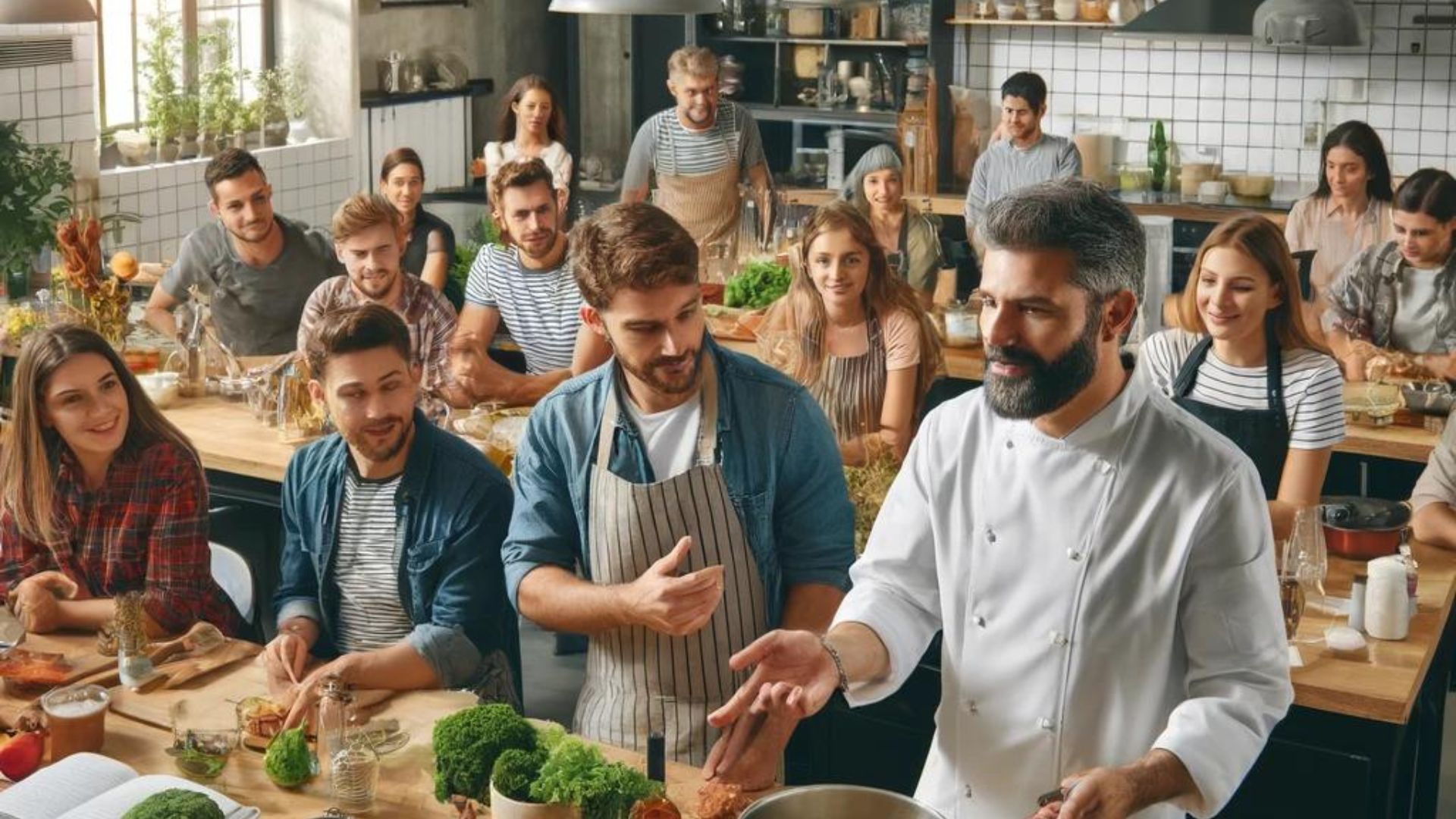
- Hands-On Learning: The workshops are highly interactive.
You’ll spend the majority of your time cooking under the guidance of expert chefs who provide step-by-step instructions and immediate feedback.
This practical approach ensures you not only understand the techniques but also apply them effectively.
- State-of-the-Art Facilities: Classes take place in professional-grade kitchens equipped with the latest culinary tools and technology, giving you a real-world cooking experience.
These facilities are designed to simulate professional kitchens, providing an authentic learning environment.
- Structured Sessions: Each workshop follows a detailed curriculum, starting with a demonstration by the chef, followed by hands-on practice.
This ensures you thoroughly understand and can replicate the techniques being taught.
Expect to learn a variety of skills, from basic knife techniques to advanced pastry making.
- Community Atmosphere: The workshops create a collaborative environment where you can meet and learn alongside fellow cooking enthusiasts.
Whether you attend solo, with a partner, or as part of a team-building activity, you’ll find the experience both engaging and supportive.
The shared passion for cooking fosters a sense of camaraderie and community.
- Tasting and Feedback: At the end of each session, you’ll taste your creations and receive constructive feedback from the instructors, offering a rewarding conclusion to your efforts.
This tasting session allows you to appreciate the fruits of your labor and understand how to refine your techniques.
What You Need to Bring and Skill Level Required
Before attending a workshop, it’s helpful to know what to bring and the skill level required:
- What to Bring: Generally, all necessary materials, including ingredients and cooking tools, are provided.
Participants should bring an apron, comfortable non-slip shoes, and a notebook for jotting down tips and recipes.
Bringing a reusable water bottle is also a good idea to stay hydrated during the session.
- Skill Level: The Culinary Institute of Charleston workshops cater to all skill levels.
Whether you’re a beginner or an experienced cook, there’s a workshop suitable for you.
The courses are designed to ensure everyone can follow along and improve their skills.
Don’t worry if you’re a novice; the instructors are adept at teaching a range of abilities and ensuring everyone can keep up.
Why Beginners Shouldn’t Shy Away
If you have limited cooking skills, don’t be intimidated by the prestigious reputation of the Culinary Institute of Charleston.
These workshops are designed to accommodate and support participants at all levels:
- Inclusive Environment: The instructors are experienced in teaching students of all abilities, providing step-by-step guidance to help you build confidence.
They create an encouraging atmosphere where questions are welcomed, and learning is prioritized.
- Gradual Learning Curve: Workshops start with basic techniques and progressively cover more complex skills, allowing beginners to keep up and learn at their own pace.
This structured approach ensures that you’re never overwhelmed and can build your skills gradually.
- Encouraging Atmosphere: The collaborative and supportive environment ensures that everyone feels comfortable and motivated to learn.
The focus is on personal improvement and enjoying the cooking process, rather than competition.
Benefits for Couples
Taking a culinary workshop at the Culinary Institute of Charleston can be a fantastic activity for couples.
Here’s why:
- Bonding Experience: Cooking together fosters teamwork and communication, providing an enjoyable way to bond over a shared interest.
It’s a unique way to spend quality time together and create lasting memories.
- Shared Skills: Both partners will walk away with new skills that they can use to create delicious meals at home.
This shared knowledge can make cooking at home a more collaborative and enjoyable activity.
- Memorable Date: It’s a unique and memorable way to spend time together, far more engaging than a typical night out.
You’ll leave with not only new skills but also a sense of accomplishment and fun shared experiences.
Ideal for Team Building
The Culinary Institute of Charleston workshops are also perfect for team-building exercises.
Here’s how they benefit teams:
- Enhanced Communication: Cooking requires clear communication and coordination, skills that are transferable to the workplace.
These workshops help team members learn to communicate more effectively and work together harmoniously.
- Team Cohesion: Working together to create a meal fosters a sense of camaraderie and teamwork.
The shared goal of creating a delicious dish can bring teams closer together and improve their ability to collaborate on other projects.
- Problem-Solving: Participants must think on their feet and solve problems collaboratively, strengthening their ability to work together under pressure.
These skills are invaluable in any professional setting and can improve overall team performance.
Enrichment Beyond Cooking Skills
Taking a workshop at the Culinary Institute of Charleston offers more than just culinary training:
- Networking Opportunities: Meet and interact with fellow cooking enthusiasts, build friendships, and expand your culinary network.
Engaging with others who share your passion for cooking can be incredibly rewarding and open up new opportunities.
- Confidence Boost: Gaining hands-on experience under expert guidance builds your confidence in the kitchen, empowering you to tackle more complex recipes at home.
This newfound confidence can transform your approach to cooking and make it a more enjoyable activity.
- Cultural Enrichment: Learning about different culinary traditions and techniques enriches your cultural understanding and appreciation.
Cooking is a universal language, and these workshops offer a deeper insight into the world’s culinary heritage.
- Personal Satisfaction: The satisfaction of creating something delicious from scratch is immensely rewarding.
The sense of accomplishment and pride in your culinary creations can be a significant boost to your self-esteem.
- Social Interaction: The workshops provide a great opportunity to socialize and make new friends.
Whether you’re bonding over a shared love of food or collaborating on a challenging dish, the social aspects of these workshops are a significant enrichment.
Cost of the Workshops
The cost of a workshop at the Culinary Institute of Charleston varies depending on the length and complexity of the course.
Typically, prices range from $100 to $500 per workshop.
This investment includes top-tier instruction, high-quality ingredients, and a rich, immersive culinary experience.
Given the level of expertise and the quality of the facilities, this represents excellent value for money.
Why Choose the Culinary Institute of Charleston?
The Culinary Institute of Charleston’s reputation for excellence is well-deserved, and attending one of their workshops is a unique opportunity to learn from the best.
Here’s why you should consider signing up:
- Prestige and Quality: The institute is known for its rigorous standards and commitment to excellence.
The quality of instruction and the facilities are second to none.
- Expert Instructors: The chefs who lead the workshops are highly experienced and passionate about teaching.
You’ll benefit from their extensive knowledge and skill.
- Comprehensive Learning: The workshops are designed to be thorough and comprehensive, covering a wide range of techniques and skills.
- Personalized Feedback: The small class sizes mean you’ll receive plenty of individual attention and feedback, helping you to improve quickly.
- Enjoyable Experience: Above all, the workshops are enjoyable.
The atmosphere is supportive and engaging, and you’ll have fun while learning.
Take Your Culinary Skills to the Next Level – Register for a Culinary Institute of Charleston Workshop Today!
Are you ready to take your cooking to the next level and learn from the best in the industry?
The Culinary Institute of Charleston’s workshops provide an unparalleled opportunity to refine your culinary techniques, whether you’re a novice or an experienced cook.
Enjoy a supportive and engaging environment while expanding your culinary horizons.
Don’t miss out on this incredible opportunity—secure your spot in a Culinary Institute of Charleston workshop today and embark on your culinary journey with confidence!
FAQ – Are Culinary Institute of Charleston Workshops Worth It for Home Cooks and Food-Focused Travelers?
What Are Culinary Institute of Charleston Workshops?
The workshops are culinary learning experiences designed for food enthusiasts and home cooks.
They can include hands-on cooking classes, demonstrations, specialty sessions, and technique-focused instruction.
The goal is practical culinary education rather than professional certification.
You get access to structured teaching without enrolling in a degree program.Are the Workshops Open to the Public?
Yes.
Programs intended for food enthusiasts are designed for participants who are not enrolled as full-time culinary students.
You generally do not need professional restaurant experience.
Individual classes can still have different skill expectations, so read the description before registering.Are the Classes Hands-On?
Many workshops are hands-on.
Participants can work directly with ingredients, tools, and techniques under instructor guidance.
That format is especially useful when you want to develop skills through repetition rather than observation alone.
Some demonstration-focused sessions may involve less active cooking.Are the Workshops Good for Beginners?
Yes, if you choose a class that matches your experience level.
Fundamentals-based sessions can help beginners build confidence with basic preparation, knife work, cooking methods, and kitchen organization.
The professional teaching structure can make unfamiliar techniques easier to understand.
Beginners should avoid advanced specialty classes unless the description clearly welcomes all skill levels.Can Experienced Home Cooks Benefit from the Classes?
Absolutely.
More experienced cooks can choose regional cuisine, pastry, seafood, baking, sauces, or other technique-focused workshops.
Professional feedback can also help identify habits that may be holding back your results.
Choose a class that challenges an area you have not already mastered.Do the Workshops Focus on Lowcountry Cuisine?
Some classes can emphasize Lowcountry and Charleston food traditions.
That may include seafood, rice dishes, grits, Southern baking, regional ingredients, and techniques connected to coastal South Carolina cooking.
These classes are especially valuable for travelers who want the culinary experience to feel tied to Charleston.
Availability depends on the current workshop schedule.What Other Types of Classes May Be Available?
Topics can include baking, pastry, knife skills, seafood, global cuisines, sauces, and other culinary fundamentals.
The schedule can change throughout the year.
Some workshops focus on one technique, while others build a complete menu.
Choosing by skill objective is usually more useful than choosing by the fanciest dish.Do You Need to Bring Your Own Equipment?
Usually, no.
Professional teaching kitchens are equipped with the cookware, utensils, and tools required for instruction.
Ingredients are typically provided as part of the class.
Check the individual workshop details in case anything specific is requested.What Should You Wear?
Wear comfortable clothing that allows you to move easily in a working kitchen.
Closed-toe shoes are a smart choice because you may be around knives, hot pans, liquids, and other kitchen hazards.
Avoid loose sleeves or accessories that can get in the way.
Practicality matters more than dressing up.Do You Get to Eat What You Make?
In hands-on cooking classes, tasting the finished food is generally part of the experience.
That lets you see how your technique affected flavor, texture, and presentation.
It also helps reinforce what worked and what you might change next time.
The exact format depends on the individual workshop.Do You Receive Recipes or Class Materials?
Recipes or instructional materials are often provided for culinary workshops.
Those materials make it easier to repeat the dishes and techniques at home.
Take notes on instructor tips that are not obvious from the printed recipe.
Those small details can be some of the most useful takeaways.How Long Do the Workshops Last?
Length varies by class.
Some workshops may fit into a few hours, while more involved sessions can occupy a larger part of the day.
Specialty programs may follow different schedules.
Check the individual listing before planning restaurants, tours, or other Charleston activities around the class.Are the Workshops Good for Couples?
Yes.
Couples who enjoy cooking can get more long-term value from a skill-building class than from a conventional dinner date.
You learn something together and still share a food-centered experience.
Regional classes can be particularly appealing during a Charleston getaway.Are the Workshops Good for Culinary Travelers?
Yes.
A class can add depth to a trip because you learn how local ingredients and techniques work before encountering them again at restaurants or markets.
Charleston is especially well suited to this because of its strong Lowcountry culinary identity.
The experience turns food tourism from passive tasting into active learning.
That makes the workshop a strong complement to food tours and restaurant visits.How Should You Choose the Right Workshop?
Start with the skill you most want to improve.
A fundamentals class makes sense if your basic technique needs work, while a regional or specialty workshop is better if you already cook confidently.
Also consider how much time you want to commit.
The right class should match both your current ability and the result you want when you return home.Are These Workshops More Serious Than Retail Cooking Classes?
Often, yes.
The culinary-school environment usually places more emphasis on technique, organization, and foundational skills.
That does not mean the experience has to feel intimidating.
It simply means the instruction may go deeper than a purely social cooking event.Can a Workshop Be Combined with Other Charleston Food Experiences?
Yes.
A cooking workshop pairs naturally with restaurant reservations, market visits, food tours, and other culinary activities around Charleston.
Learning the techniques first can make later meals more interesting because you recognize the ingredients and methods being used.
It is a particularly strong approach for travelers building an entire trip around food.Who Will Get the Most from a Culinary Institute of Charleston Workshop?
These workshops are especially well suited to serious home cooks, couples, culinary travelers, food enthusiasts, and visitors interested in Charleston’s Lowcountry traditions.
They work particularly well when you want hands-on learning, professional instruction, and a stronger understanding of the food you are tasting around the city.
More experienced cooks can benefit by choosing a focused specialty class.
Someone looking mainly for a casual social outing with very little instruction may prefer a lighter recreational class.