

Short Excerpt
- The Penang Heritage Food Trail takes you through George Town’s hawker stalls, kopitiams, markets, and heritage streets while connecting each dish to the cultures that shaped it.
- Expect roughly 3 to 4 hours, about 1.5 to 2 miles of walking, and 6 to 10 tastings that can add up to a full meal.
- Char kway teow, Penang assam laksa, nasi kandar, roti canai, Nyonya kuih, cendol, kopi, and teh tarik can all become part of the experience.
Quick Take
- The tour explores George Town through Malay, Chinese, Indian, and Peranakan food traditions.
- Plan for about 3 to 4 hours and 1.5 to 2 miles of relaxed walking.
- Routes can include Little India, Chulia Street, Campbell Street, the Clan Jetties, markets, and heritage lanes.
- Six to ten tastings may be included, with enough food to replace a normal meal for many travelers.
- Small groups and local guides make the cultural stories behind the dishes just as important as the food itself.
Taste the Cultures That Built Penang One Hawker Stall at a Time
The Penang Heritage Food Trail is less about collecting famous dishes and more about understanding why George Town tastes the way it does.
Over roughly three to four hours, you can walk about 1.5 to 2 miles through heritage streets, markets, alleyways, kopitiams, and hawker areas while sampling six to ten dishes or snacks.
Expect the food to move between several traditions rather than staying inside one cuisine.
Char kway teow introduces Penang’s wok-fired Chinese street-food side, while assam laksa brings together tamarind, fish, herbs, and rice noodles in one of the island’s most distinctive bowls.
Nasi kandar reflects Indian-Muslim influence, roti canai adds another South Asian layer, and Nyonya kuih shows how Peranakan cooking blends Chinese techniques with Malay ingredients and flavors.
Drinks can be part of the story too.

Penang white coffee, kopi, teh tarik, lime juice, or nutmeg drinks can provide a break between richer tastings while adding another piece of local food culture.
The route gives those dishes a physical setting.
You may move through George Town’s heritage zone, Little India, Chulia Street, Campbell Street, the Clan Jetties, or nearby market areas where family-run stalls and old coffee shops still form part of everyday life.
That makes the tour especially useful for first-time visitors who want to see the neighborhood while also learning how migration, religion, trade, and colonial history shaped what people eat.
The walking commitment is moderate rather than strenuous, with frequent stops for food, stories, photographs, and conversations with vendors.
Still, Penang’s heat and humidity make lightweight clothing, comfortable shoes, sun protection, and water worth planning for.

This tour is best suited to travelers who want variety, history, street food, and cultural context in the same experience.
Anyone looking for a polished fine-dining tasting or a minimal-walking experience may prefer a different format.
What is a Food Tour?
A food tour is far more than a walking buffet—it’s a cultural experience designed to help you understand a destination through its cuisine.
Guided by a local expert, you’ll explore the origins of traditional recipes, meet the people behind the plates, and taste the dishes that define a community.
In Penang, where food is a deeply personal part of everyday life, food tours open the door to a multicultural narrative woven through spices, textures, and technique.
On the Penang Heritage Food Trail, you’ll be led through lively markets, back alleys, and heritage streets where food stalls operate the same way they did 50 years ago.
You’ll taste a curated selection of Penang’s most beloved dishes and snacks while your guide shares fascinating stories about colonial trade routes, immigration, religious customs, and family traditions that shaped each bite.
What’s included:
- Guided walking tour through George Town’s most historic streets.
- 6–10 tasting stops, featuring full-sized portions and sharable snacks.
- Cultural storytelling about food origins, hawker culture, and Penang’s colonial past.
- Local drink samples, including kopi, lime juice, and teh tarik.
- Time to interact with vendors and learn about traditional cooking techniques.
Types of food tours in Penang:
- Morning market tours with breakfast specialties.
- Evening food walks for night-time hawker bites and desserts.
- Neighborhood-specific tours in Little India, the Clan Jetties, or Chulia Street.
- Progressive dinners from appetizers to sweets across different districts.
- Chef-led or private culinary tours with customizable itineraries.
What Makes This Food Tour Special?
The Penang Heritage Food Trail stands out for its focus on authenticity, diversity, and cultural context.
This tour doesn’t just take you to popular stalls—it guides you through Penang’s edible history, where each stop reveals something deeper about the island’s roots.
🍜 Dishes you may experience include:
- Char Kway Teow – wok-fried noodles with prawns, bean sprouts, and egg.
- Penang Assam Laksa – a tangy tamarind-based soup with mackerel, herbs, and rice noodles.
- Nasi Kandar – rice with a medley of Indian-Muslim curries.
- Hokkien Mee – spicy prawn noodle soup served with egg and sambal.
- Roti Canai – crispy Indian flatbread with dhal and spicy curry.
- Nyonya Kuih – colorful Peranakan desserts made from glutinous rice, pandan, and coconut.
- Cendol – shaved ice dessert with coconut milk, palm sugar, and green rice jelly.
- Penang white coffee or traditional teh tarik (pulled milk tea).
📍 Neighborhoods explored:
- George Town Heritage Zone, filled with Chinese temples, colonial buildings, and street murals.
- Little India, bursting with color, spices, and South Indian street snacks.
- Chulia Street and Campbell Street, home to famous hawker stalls and kopitiams.
- The Clan Jetties, offering insight into Penang’s Chinese maritime heritage.
⭐ Unique highlights:
- Sample heritage dishes from family-run stalls that have been operating for generations.
- Visit a wet market and watch vendors prepare traditional ingredients.
- Taste both Malay and Peranakan cuisine in their original settings.
- See how culinary techniques differ between cultures within the same city.
- Hear personal stories of immigration, adaptation, and cultural fusion told through food.
👉 Explore Penang food tours on Tripadvisor
How Much Do Food Tours Cost?
Penang food tours are known for being budget-friendly and packed with value.
💲 Average price range:
- $30–$60 USD for 3–4 hour group walking tours.
- $60–$100 USD for chef-led, private, or extended tours.
- $25–$40 USD for shorter morning or snack-based tours.
✅ What’s included:
- All tastings (equivalent to a full meal).
- A knowledgeable English-speaking guide.
- Drinks like kopi, teh tarik, or nutmeg juice.
- Cultural commentary and historical insights.
- Market visits and photo stops.
✨ Optional upgrades:
- Private group bookings.
- Add-on cooking classes after the tour.
- Hotel pickup/drop-off.
- Personalized stops based on food preferences.
How Long is the Tour?
🕒 Most tours last 3 to 4 hours, with morning and evening options available.
🚶♂️ Walking distances are light to moderate, generally 1.5 to 2 miles, with plenty of breaks for eating, storytelling, and photography.
📣 Let your guide know in advance if you have dietary restrictions, mobility concerns, or food allergies—many tours are happy to accommodate.
Do You Need to Book in Advance?
Yes—Penang’s food tours are popular year-round, especially during peak tourist seasons (December–March, July–August).
✅ Reasons to book early:
- Tours typically host 8–12 participants, and slots fill fast.
- Some hawker vendors prepare in limited quantities.
- Private and chef-led tours are limited and often booked weeks ahead.
🔁 Cancellation policies: Most operators offer full refunds if canceled at least 24–48 hours in advance.
What Should You Bring?
🧳 Be ready for a half-day of cultural eating and walking:
- 🥿 Comfortable walking shoes or sandals.
- 🧢 A hat or umbrella for shade.
- 🧴 Sunscreen and hand sanitizer.
- 📸 Phone or camera for capturing the food and architecture.
- 🍽️ Your appetite—you’ll be full by the end.
- 💵 Small local cash for buying snacks or tips.
How to Choose the Best Food Tour
Not all food tours are created equal. Here’s what to look for:
✅ Tours led by locals with culinary or heritage expertise.
✅ Coverage of a wide range of cuisines—Malay, Chinese, Indian, and Peranakan.
✅ Small group sizes for a more personal, flexible experience.
✅ Balanced mix of well-known dishes and hidden gems.
✅ Reviews that highlight both the food and the storytelling.
Local Tips & Hidden Gems
A knowledgeable guide will show you:
- The nasi lemak stand that locals line up for at 7AM.
- The secret vendor in Little India making the best masala dosa in town.
- The back alley dessert stall that only opens for two hours each evening.
- How to spot authentic versus tourist-targeted hawkers.
- The best kopitiam for breakfast the next morning.
What to Expect on a Food Tour
- Meet at a designated central location in George Town.
- Stroll through historic streets while tasting Penang’s greatest hits.
- Enjoy side commentary on architecture, religion, and street art.
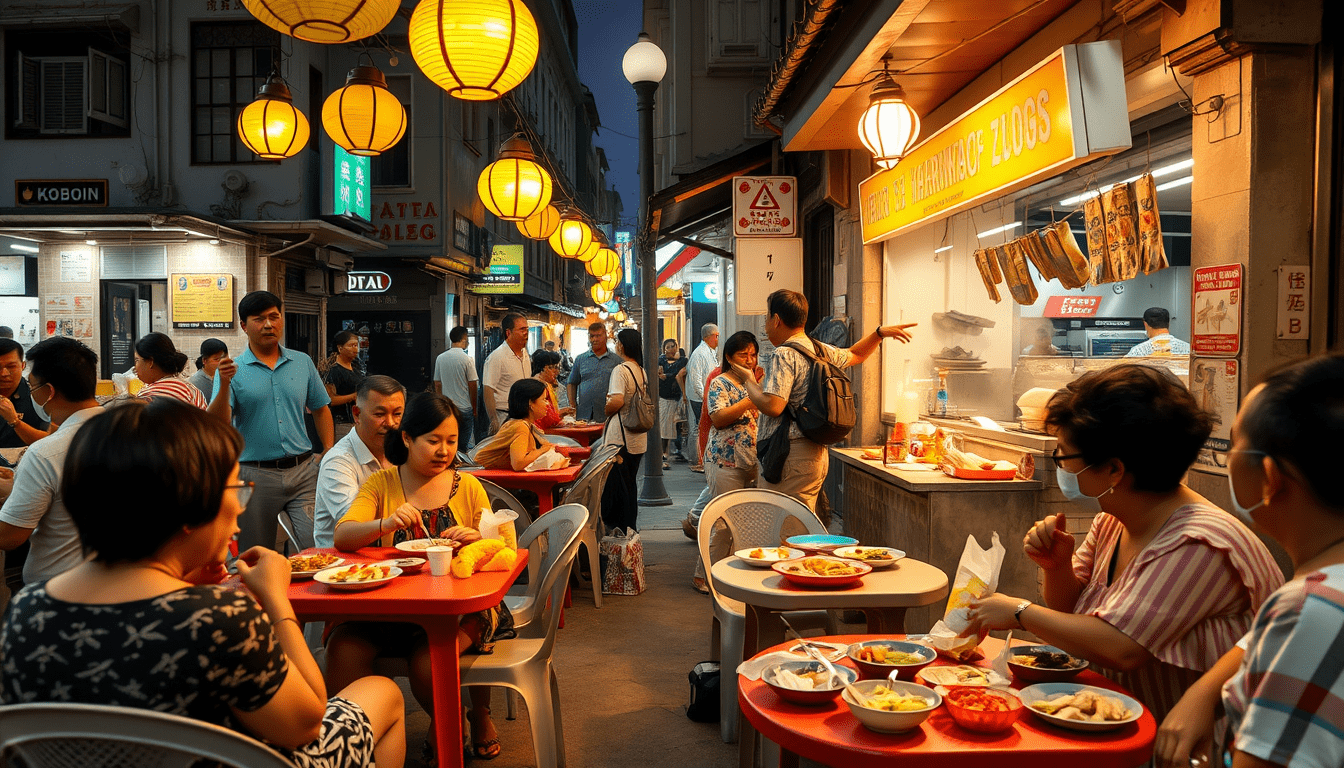
- Share food at plastic tables, open-air eateries, and tiny kopitiams.
- Learn not just what you’re eating—but why it matters.
How to Prepare for a Food Tour
- Don’t eat before—you’ll regret it.
- Dress light and stay hydrated.
- Bring curiosity—some of the best dishes may look unfamiliar.
- Ask questions, take notes, and let your guide know your preferences.
- Embrace the chaos—Penang’s food scene is vibrant, loud, and full of life.
FAQ – Is the Penang Heritage Food Trail the Best Way to Taste George Town’s Cultural Mix?
How Long Does the Penang Heritage Food Trail Usually Last?
Most Penang food tours run for about three to four hours.
That gives enough time for several substantial tastings without forcing the group to rush between stops.
Morning and evening departures are both common, and each can reveal a different side of the city’s food culture.
Expect the experience to occupy a significant portion of your day rather than functioning as a quick snack tour.How Much Walking Is Involved?
Plan on roughly 1.5 to 2 miles of walking.
The pace is generally relaxed because the route is broken up by food stops, market visits, storytelling, and photo opportunities.
You are not walking continuously for the entire tour.
Comfortable shoes still matter because heat, humidity, older sidewalks, and uneven heritage streets can make a modest distance feel more demanding.What Foods Can You Expect to Try?
Typical dishes can include char kway teow, Penang assam laksa, nasi kandar, Hokkien mee, roti canai, Nyonya kuih, and cendol.
Drinks such as kopi, Penang white coffee, lime juice, or teh tarik may also be included.
The exact menu changes according to the route, vendors, time of day, and availability.
That variation is part of the experience because the tour is built around Penang’s wider food culture rather than one fixed tasting menu.Will the Tastings Be Enough for a Full Meal?
Usually, yes.
Many tours include six to ten tasting stops, with a mixture of full portions and shareable snacks.
The amount of food can add up quickly even when individual servings initially seem modest.
Arriving hungry is usually a better strategy than eating a large breakfast or lunch beforehand.Which Parts of George Town Can the Tour Explore?
Routes may include the George Town Heritage Zone, Little India, Chulia Street, Campbell Street, markets, and the Clan Jetties.
Each area contributes a different layer to the city’s culinary identity.
Chinese temples, colonial buildings, street murals, coffee shops, hawker stalls, and old family businesses become part of the walk between tastings.
That makes the tour useful as both a food experience and an introduction to George Town.Why Is Penang Food So Culturally Diverse?
Penang’s food reflects generations of Malay, Chinese, Indian, Peranakan, and colonial influence.
Trade routes, migration, religion, family traditions, and local adaptation all helped create the dishes associated with the island today.
A food tour makes those connections easier to understand because you encounter the cuisines within the neighborhoods where they developed.
The result is less like sampling unrelated dishes and more like following the history of Penang through food.Is the Penang Heritage Food Trail Mostly Street Food?
Street food is a major part of the experience, but it is not necessarily the entire tour.
Stops can include hawker stalls, markets, kopitiams, open-air eateries, family-run restaurants, and dessert vendors.
That range gives you both quick roadside classics and dishes served in more established neighborhood businesses.
The variety also helps explain why Penang’s food reputation extends well beyond a single market or street.Is Penang Food Very Spicy?
Some dishes can be spicy, but not everything is intensely hot.
Curries, sambal, noodle soups, and certain sauces may carry more heat, while desserts, breads, coffee, and other dishes provide plenty of milder options.
Guides can often explain spice levels before you taste something.
Mention your tolerance early if spicy food is a concern rather than waiting until the dish arrives.Are Vegetarian Options Available?
Vegetarian alternatives are often possible, especially in a city with strong Indian and Chinese food traditions.
Not every scheduled tasting can necessarily be substituted without changing the character of the dish.
Advance notice gives the operator more opportunity to adjust the route or arrange replacements.
Anyone with strict dietary requirements should confirm what can be accommodated before booking.Can Food Allergies Be Accommodated?
Some allergies can be handled with advance planning, but street-food environments can make complete separation difficult.
Ingredients such as peanuts, shellfish, soy, gluten, egg, and fish sauce may appear across multiple dishes or preparation areas.
Tell the operator about medically important allergies before booking.
Travelers with severe reactions should ask specifically about cross-contact rather than assuming a substitute dish eliminates every risk.Is the Penang Heritage Food Trail Family-Friendly?
It can be, especially for children who enjoy trying new foods and exploring busy neighborhoods.
The walking distance is manageable for many families, and frequent food stops create natural breaks.
The main considerations are heat, attention span, food preferences, and comfort with crowded markets or unfamiliar dishes.
Families with younger children may prefer a morning departure when temperatures can be more comfortable.Is a Morning or Evening Penang Food Tour Better?
Morning tours are well suited to market visits, breakfast dishes, coffee shops, and seeing vendors at the beginning of their day.
Evening tours can deliver a livelier hawker atmosphere, more dessert stops, and a stronger sense of Penang’s nighttime street-food culture.
Neither is automatically better.
Choose based on whether you prefer markets and daytime heritage exploration or nighttime energy and later-opening food stalls.Should You Book the Tour in Advance?
Yes, especially during busier travel periods.
Small-group tours may limit participation to around eight to twelve people, and popular guides can fill their available departures.
Some vendors also prepare limited quantities, which can influence route planning.
Booking ahead gives you more flexibility with departure times and makes it easier to communicate dietary or mobility needs.What Should You Bring on a Penang Food Tour?
Comfortable walking shoes, light clothing, water, sunscreen, and a hat or umbrella are useful in Penang’s heat.
Hand sanitizer can also be convenient between market and street-food stops.
Carry some Malaysian ringgit for extra snacks, drinks, tips, or purchases that are not included.
Most importantly, arrive with enough appetite to handle several hours of eating.Who Is the Penang Heritage Food Trail Best Suited For?
The tour is especially strong for first-time Penang visitors who want food, history, neighborhoods, and cultural context in one experience.
It also suits adventurous eaters who would rather sample several cuisines than concentrate on one restaurant or cooking style.
Travelers interested in migration, heritage, markets, and everyday local life can get as much from the storytelling as from the tastings.
Someone seeking a formal restaurant crawl, minimal walking, or a tightly controlled tasting menu may be happier with a different culinary experience.
From curry houses and colonial kopitiams to alleyway dessert carts and wok-fired noodle stalls, the Penang Heritage Food Trail is a must for any traveler who wants to taste, learn, and fall in love with the true flavor of Malaysia.