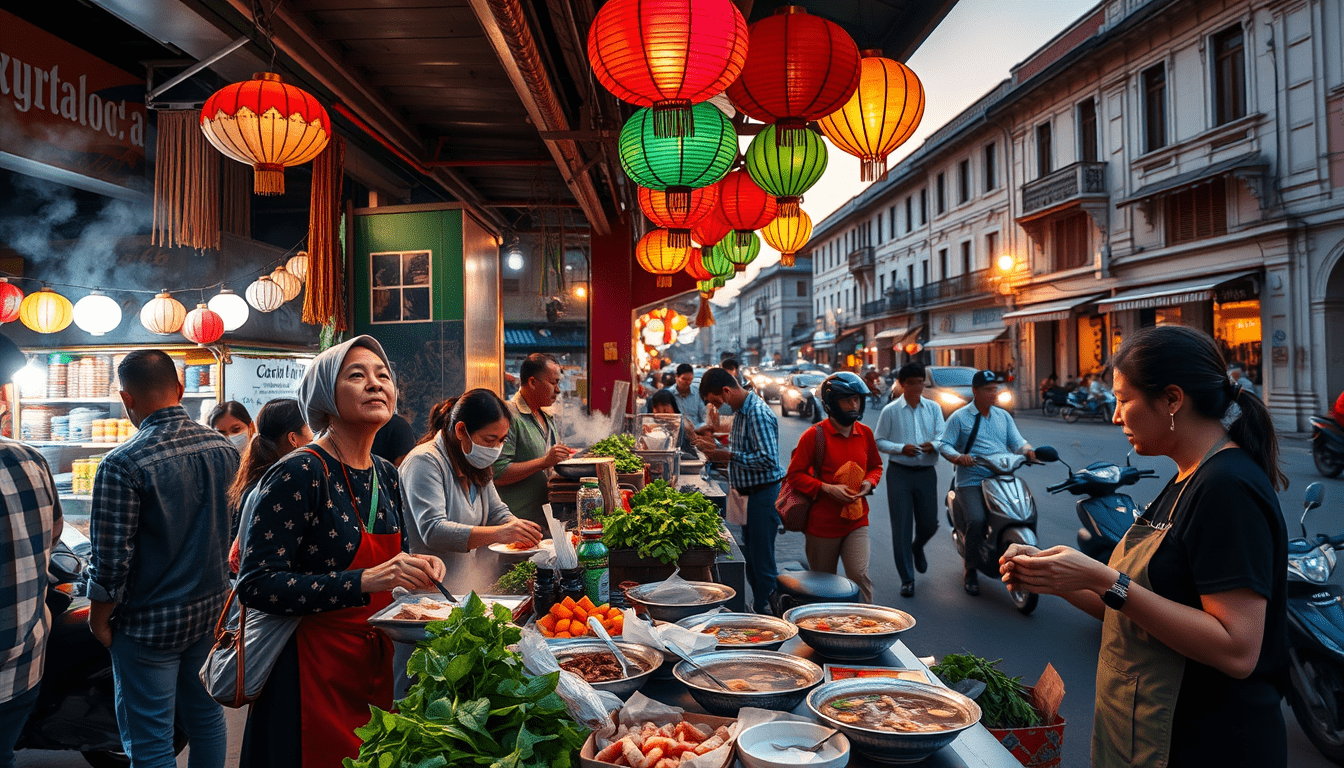


Short Excerpt
- The Vietnam Foodie’s Paradise in 10 Days itinerary turns the country’s regional food differences into the backbone of the trip, moving from Hanoi and Halong Bay through Hue, Da Nang, Hoi An, and Ho Chi Minh City.
- Expect city food walks of about 2 to 4 hours, longer market-and-cooking experiences of around 5 to 6 hours, and walking distances of roughly 2 to 5 kilometers on many tour days.
- Pho bo, bún chả, bánh xèo, cao lầu, gỏi cuốn, chả cá, seafood, regional noodles, coffee, and market snacks help show how dramatically Vietnamese food changes from north to south.
Quick Take
- The 10-day route connects Hanoi, Halong Bay, Hue, Da Nang, Hoi An, and Ho Chi Minh City through food.
- Daily experiences can include street-food walks, market visits, cooking classes, motorbike tours, and a Halong Bay food cruise.
- Most city food tours last about 2 to 4 hours, while cooking and market experiences can run 5 to 6 hours.
- Expect roughly 6 to 12 tastings on many individual food tours and about 2 to 5 kilometers of walking.
- The strongest fit is a traveler who wants regional food, local guides, markets, neighborhood history, and hands-on experiences rather than one city-based tasting tour.
Taste How Vietnam Changes From North to South Over 10 Food-Filled Days
This itinerary is built for travelers who want to understand Vietnam by following its food from one region to the next.
Over 10 days, the journey can take you through Hanoi, Halong Bay, Hue, Da Nang, Hoi An, and Ho Chi Minh City, with each stop introducing a different combination of ingredients, cooking traditions, markets, and local dining habits.
The experience is broader than a standard food tour.
One day may involve a 2- to 4-hour walk through Hanoi’s Old Quarter, while another can include a 5- to 6-hour market visit and cooking class in Hoi An.
Halong Bay adds a completely different pace with seafood dining on the water, while Ho Chi Minh City can shift the energy toward motorbike food tours, busy alleys, and a more fast-moving urban food scene.
Walking varies by activity, but many individual tours cover around 2 to 5 kilometers.

Because there are frequent food stops, cooking demonstrations, market visits, and transportation segments, the physical commitment is usually moderate rather than continuous.
The food changes noticeably as the route moves south.
In Hanoi, pho bo, bún chả, chả cá, egg coffee, and casual beer-and-snack stops can introduce the restrained, savory side of northern Vietnamese cooking.
Central Vietnam adds stronger spice, royal influences, and dishes such as bún bò Huế, bánh xèo, mì Quảng, and cao lầu.
By the time you reach Ho Chi Minh City, the flavors become sweeter and more herb-driven, with gỏi cuốn, bánh mì, grilled dishes, tropical drinks, and late-night street food adding a different rhythm.
Hoi An stands out because the experience can become hands-on.

A market visit followed by a cooking class near Tra Que herb village gives you a chance to see where ingredients come from before learning how they are used.
Halong Bay adds another contrast with fresh seafood served against one of Vietnam’s most recognizable landscapes.
This trip is best suited to travelers who want food to drive the itinerary rather than simply appear between sightseeing stops.
It also works well for first-time Vietnam visitors who want several regions in one journey and prefer local guides, small groups, markets, and neighborhood exploration over a tightly packaged resort-style vacation.
What is a Food Tour?
A food tour is a guided experience that blends culinary tastings with cultural storytelling and local exploration.
In Vietnam, that means wandering through lively markets, stopping at tiny street vendors, sipping traditional drinks, and learning the background of each dish—from how it’s made to why it’s significant.
Tours include walking explorations through cities, cooking classes, floating markets, night food tours, and even food cruises.
Types of food tours in Vietnam include:
- Walking tours through Old Quarters and ancient towns
- Scooter food tours (yes, you ride pillion through traffic!)
- Market-to-table cooking experiences
- Progressive dinners that hop between multiple restaurants
- Halong Bay food cruises that offer seafood dining on water
Each style gives you a new perspective on Vietnamese culture and cuisine.
What Makes This Food Tour Special?
What makes this 10-day Vietnamese food tour truly stand out is how it blends Vietnam’s regional diversity into one unforgettable journey.
Rather than focusing on a single city or cuisine, you’ll travel through the country’s culinary heartlands—north, central, and south—each with its own distinct flavors, ingredients, and stories.
This isn’t just a tasting experience—it’s a full immersion into the way food shapes identity, community, and daily life in Vietnam.
You’ll be guided by local experts who offer not just knowledge, but genuine connection to the dishes and the people who make them.
Whether you’re slurping soup at a tiny Hanoi stall, learning to cook herbs straight from a garden in Hoi An, or enjoying fresh crab while cruising the emerald waters of Halong Bay, every moment reveals something new, unexpected, and deeply authentic.
Featured local dishes include:
- Pho Bo (beef noodle soup) in Hanoi
- Bún chả grilled pork with noodles
- Bánh xèo sizzling crepes in Da Nang
- Cao lầu noodles in Hoi An
- Gỏi cuốn fresh spring rolls in Saigon
- Chả cá turmeric fish with dill
Unique highlights:
- Cooking class in Hoi An with a visit to the organic Tra Que herb village
- Halong Bay food cruise with fresh-caught seafood
- Motorbike street food tour in Saigon
- Hidden market tasting in Hue with royal court cuisine
- Evening beer-and-snacks crawl through Hanoi’s train street
Each activity connects you deeply with Vietnam’s local traditions and hidden culinary gems.
Tripadvisor Links:
How Much Do Food Tours Cost?
Food tour prices in Vietnam range depending on the city and experience type.
- Walking or street food tours: $25–$45 per person
- Cooking classes: $30–$70
- Motorbike tours: $50–$90 (often includes drinks)
- Halong Bay overnight food cruises: $120–$300+ per night
Included in most tours:
- All food and drink samples
- English-speaking local guide
- Cultural and historical insights
- Small group sizes (6–12 people)
Optional upgrades:
- Private tours
- Additional tastings
- Boat rentals or special chef demonstrations
How Long is the Tour?
This itinerary runs over 10 full days, with food tours each day averaging between:
- 2–4 hours for city food walks
- 5–6 hours for combined market and cooking classes
- 24–48 hours for Halong Bay food cruises
You’ll walk anywhere from 2 to 5 kilometers per tour, depending on the city and layout.
Most guides appreciate being notified of dietary restrictions or mobility issues in advance so they can personalize your experience.
Do You Need to Book in Advance?
Yes—popular food tours in Vietnam, especially in Hoi An, Hanoi, and Ho Chi Minh City, tend to fill up fast.
- Spots are limited, often to small groups of 8–10 people.
- Book at least 1–2 weeks ahead, especially during peak travel seasons (Dec–Feb, June–August).
- Cancellation policies vary by provider but many offer 24- to 48-hour free cancellation.
Check Tripadvisor listings for real-time availability and policy details.
What Should You Bring?
For the most enjoyable experience, come prepared:
- Comfortable walking shoes
- A hearty appetite
- Weather-appropriate items like a sun hat, poncho, or umbrella
- Some cash for optional purchases or tipping
How to Choose the Best Food Tour?
When picking a food tour in Vietnam, keep these tips in mind:
- Check guide reviews — local passion and food knowledge matter
- Look for diverse stops — a good tour offers a range of dishes and venues
- Smaller groups are better — avoid large buses or mega-groups
- Avoid overly touristy routes — seek experiences that include local favorites, not just Instagram spots
Tripadvisor ratings and traveler photos can be excellent indicators.
Local Tips & Hidden Gems
If you’re the kind of traveler who craves the road less eaten, Vietnam is a treasure trove of culinary secrets just waiting to be discovered.
Beyond the well-trodden tourist favorites, local guides can take you to places that don’t appear on maps—quiet alleyways, unmarked food stalls, family-run eateries, and open-air markets where you’ll witness the true essence of Vietnamese street life.
These insider-only spots often serve the best versions of beloved dishes, untouched by commercial influence, and rich with heritage.
Here are some hidden food culture tips that only locals and in-the-know guides will reveal:
- Try “quán nhậu” joints — casual drinking spots with incredible snacks and a lively local vibe
- Visit tucked-away cafes in Hanoi’s Old Quarter or Hoi An’s riverside for hidden egg coffee or avocado smoothies
- Ask for fermented favorites like nem chua (cured pork) or mắm nêm (anchovy sauce)—they’re intense, but beloved
- Slurp up regional noodle dishes that rarely make it into tourist guides (like mì Quảng or bún bò Huế)
- Join night markets in Da Nang or Can Tho for evening grilling sessions and unbeatable late-night eats
- Follow your guide’s advice and return to those humble stalls after your tour for round two
Vietnamese food culture is incredibly localized, with each region offering its own twist on national staples.
Some guides even introduce you to home chefs or secret supper clubs where travelers rarely get access.
After your tour, revisit your favorite discoveries in the evening or try branching off on your own food hunt, now equipped with the confidence and palate of a seasoned local.
What to Expect on a Food Tour?
Expect to:
- Walk through alleyways, street markets, and open kitchens
- Taste between 6 to 12 items — some full dishes, others small samples
- Learn the backstory behind each dish and how it fits into daily Vietnamese life
- Meet other food-loving travelers and locals along the way
The vibe is casual, flavorful, and fun—so come curious and come hungry.
How to Prepare for a Food Tour
Preparing is easy:
- Don’t eat much beforehand
- Wear weather-appropriate clothes
- Tell the guide about any allergies or restrictions in advance
- Bring a water bottle and maybe a small notebook if you like tracking food experiences
- Open your mind — some dishes may surprise you (in a good way!)
FAQ – Is a 10-Day Vietnam Food Journey the Best Way to Taste the Country’s Regional Differences?
Which Cities Are Included in the Vietnam Foodie’s Paradise Itinerary?
The route includes Hanoi, Halong Bay, Hue, Da Nang, Hoi An, and Ho Chi Minh City.
That north-to-south progression matters because Vietnamese food changes significantly between regions.
Hanoi highlights northern dishes and street-food culture, central Vietnam introduces stronger spice and historic royal influences, and Ho Chi Minh City brings a sweeter, more herb-forward southern style.
The itinerary therefore feels more like a culinary journey across the country than a collection of unrelated food tours.How Long Do the Food Tours Last Each Day?
City-based food walks typically last about 2 to 4 hours.
Market-and-cooking experiences can stretch to roughly 5 to 6 hours because they combine shopping, preparation, instruction, and eating.
Halong Bay food cruises can last much longer, including overnight or multi-day experiences.
The overall 10-day format gives you time to alternate intensive food activities with transportation and sightseeing.How Much Walking Should You Expect?
Many individual food tours cover roughly 2 to 5 kilometers.
The walking is usually broken up by tastings, market visits, demonstrations, cooking activities, and restaurant stops.
Older streets, crowded markets, heat, humidity, and uneven sidewalks can make the distance feel more substantial than the number suggests.
Comfortable walking shoes are one of the most useful things you can pack.What Foods Can You Expect to Try in Hanoi?
Hanoi can introduce you to pho bo, bún chả, chả cá, regional noodle dishes, egg coffee, and casual beer-and-snack culture.
The flavors tend to be more restrained and savory than in southern Vietnam.
Old Quarter food walks can also take you into narrow alleys and small vendors that are easy to overlook without local guidance.
That makes Hanoi especially useful for understanding how deeply food is woven into everyday neighborhood life.What Makes Central Vietnamese Food Different?
Central Vietnam is often spicier and more intensely seasoned than the north.
Hue adds royal culinary influences and dishes such as bún bò Huế, while Da Nang and Hoi An introduce bánh xèo, mì Quảng, cao lầu, and a wide range of market foods.
The region also uses herbs, fermented sauces, chile, seafood, and smaller composed dishes in distinctive ways.
Moving through several central cities makes those differences easier to notice.What Is Special About the Hoi An Cooking Experience?
Hoi An can add a hands-on component through a market visit and cooking class.
Some experiences also include Tra Que herb village, where you can see herbs and produce before using them in Vietnamese dishes.
That creates a direct connection between ingredient sourcing and preparation.
For travelers who want more than passive tasting, this can be one of the most memorable parts of the itinerary.What Is the Halong Bay Food Experience Like?
Halong Bay introduces a slower, more scenic form of culinary travel.
Fresh seafood can become the focus while you cruise among the bay’s limestone formations.
Depending on the itinerary, the experience may include several meals and an overnight stay.
It provides a strong contrast to the busier street-food environments of Hanoi and Ho Chi Minh City.What Is the Ho Chi Minh City Food Experience Like?
Ho Chi Minh City brings a faster, more energetic style of food touring.
Motorbike tours, street-food stops, alleyway restaurants, grilled dishes, gỏi cuốn, bánh mì, and tropical drinks can all become part of the experience.
Southern Vietnamese food often leans sweeter and uses fresh herbs generously.
The city works especially well for travelers who enjoy nighttime food culture and moving between several neighborhoods in one evening.How Many Tastings Are Included on a Typical Vietnam Food Tour?
Many individual food tours include about 6 to 12 tastings.
Some are small samples, while others are closer to full dishes.
Over the course of several hours, the portions can easily replace a normal meal.
Arriving hungry gives you a better chance of enjoying the entire sequence instead of filling up too early.Are Vegetarian and Vegan Options Available?
Yes, but availability differs by city and specific tour.
Vietnamese cuisine includes tofu, vegetables, rice, noodles, herbs, fruit, and Buddhist vegetarian traditions that can make substitutions possible.
Fish sauce, meat broths, shrimp paste, and other animal ingredients are still common in dishes that may appear vegetarian at first glance.
Notify operators in advance so they can confirm which stops can genuinely accommodate your diet.Can Food Allergies Be Accommodated?
Sometimes, but you should communicate serious allergies before booking.
Peanuts, shellfish, fish sauce, soy, wheat, egg, and shared cooking surfaces are common across Vietnamese food environments.
Street stalls and small family-run kitchens may have limited ability to prevent cross-contact.
Anyone with a medically significant allergy should ask specifically how each operator handles ingredients and preparation.Is Street Food in Vietnam Safe to Eat?
Street food is a core part of the experience, and local guides can help steer you toward busy vendors with strong turnover and established reputations.
That does not eliminate every possibility of stomach trouble.
Freshly cooked food, high customer turnover, and proper handling are useful signs to watch for.
Travelers with especially sensitive digestion should still use judgment and tell the guide if a particular stop makes them uncomfortable.Is the 10-Day Vietnam Food Trip Family-Friendly?
It can be, particularly for older children and teens who enjoy trying new foods and exploring busy neighborhoods.
The main considerations are heat, walking distance, traffic, spice levels, and the length of individual activities.
Shorter city walks or cooking classes may suit younger travelers better than motorbike or late-night experiences.
Families should choose the individual components based on attention span and comfort rather than treating the entire itinerary as one fixed format.How Far in Advance Should You Book?
Booking 1 to 2 weeks ahead is a sensible minimum for popular food experiences in Hanoi, Hoi An, and Ho Chi Minh City.
Peak travel periods can fill earlier, particularly for small-group tours, cooking classes, and highly rated guides.
Advance booking also gives you more time to communicate dietary restrictions or mobility concerns.
A longer lead time is useful when several separate food experiences need to fit into one 10-day itinerary.Who Is the Vietnam Foodie’s Paradise in 10 Days Best Suited For?
This itinerary is strongest for travelers who want Vietnamese food to shape the entire trip rather than serve as a secondary attraction.
It suits first-time visitors who want to compare north, central, and south Vietnam while combining street food, markets, cooking, seafood, and neighborhood exploration.
Adventurous eaters and travelers who enjoy local guides will get the most from the variety.
Someone who wants a slow resort stay, minimal transportation, or one-city depth may prefer a more concentrated culinary itinerary.